“Tax planning ka approach 2026 mein kaafi change ho chuka hai.” Lower slab rates aur simplified structure ki wajah se new tax regime majority salaried taxpayers ke liye attractive option ban gaya hai. Lekin old regime ab bhi kuch situations mein beneficial ho sakta hai. Is article mein hum practical comparison ke through samjhenge ki kaun sa regime actual mein zyada tax save karta hai
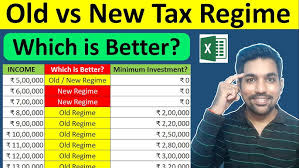
Jab naya framework aaya toh pehle bahut log confused hue — kya lower rates sach mein faayda denge jab deductions chhut jayenge? Lekin agar aapki income aur investments aise hain ki deductions kam hain, toh new tax regime aapko zyada take-home de sakta hai. Isi liye yeh guide tumhe help karega ki kaun sa regime — old ya new — tumhare liye sahi choice hai.
Key Takeaway:-
✔️ Simple samjho: new tax regime filing ko aasan banata hai — kam paperwork, zyada liquidity.
✔️ Compare karo: Agar tumhare paas deductions (80C/80D/HRA) zyada hain, old tax regime better ho sakta hai.
✔️ Run a quick simulation: Apni income aur investments daal ke side-by-side check karo — tab hi final decision lo.
✔️ Yearly choice: Salaried taxpayers usually har saal apna option change kar sakte hain — lekin HR/TDS ko time pe inform karna mat bhoolna.
Tax System Mein Badlav Kaise Aaya?
Purane old tax regime mein log deduction‑linked investments pe zyada focus karte the — jaise PPF, life insurance premiums aur home loan interest — taaki taxable income kam ho jaye. Ye system unko annually incentivise karta tha ki woh disciplined saving karein.
Simple example: agar aapne ₹10,000 PPF mein dala toh woh ₹10,000 aapki taxable income se minus ho jata tha (Section 80C ke through) — matlab turant tax benefit. Isliye kaafi families ne apni financial planning isi model ke around banayi hui thi.
Jab new tax regime ka option introduce hua, log thoda shock hue — “Agar deductions chhut gaye toh kya faayda?” Wahi purani aadatein aur investments jo old regime mein faayda deti thi, unke bina kaise decide karein — ye confusion samajh mein aa gaya.
Kaafi taxpayers ne pehle socha ki lower rates se waise hi fayda nahi milega jab common deductions jaise 80C/80D/HRA hata diye jayenge. Time ke saath logon ne step‑by‑step samajhna shuru kiya ki kaunse incomes aur investments ke liye new regime better hai aur kis situation mein old regime hi sahi rahega.
Why the Government Is Pushing the New Tax Regime
Government gradually new tax regime ko promote kar rahi hai because:
✔️ tax structure simpler ho jata hai
✔️ compliance easy ho jati hai
✔️ paperwork kam ho jata hai
✔️ return filing straightforward ho jati hai
✔️ deduction verification disputes reduce hote hain
Old regime mein multiple deductions aur exemptions available hone ki wajah se:
✔️ complex calculations
✔️ excessive documentation
✔️ inflated deduction claims
✔️ incorrect exemption reporting
✔️ tax disputes
jaise issues kaafi common ho gaye the.
New tax regime ka objective ek simpler, transparent aur lower-tax structure provide karna hai jahan taxpayers ko excessive tax planning aur documentation ki zarurat kam pade.
Understanding the New Tax Regime Slab Advantage
Tax planning often feels like boring homework, lekin new tax regime slabs thoda sa relief de dete hain — kyunki yeh deduction‑heavy puraana model chod ke simplicity aur liquidity ko priority deta hai. Matlab har mahine thoda zyada paisa bank mein aane ka chance milta hai, bina har chhoti receipt sambhalne ke.
Yeh shift isliye achha hai kyunki ab aap apni income aur financial goals ke hisaab se decision le sakte ho — na ki sirf tax bachane ke chakkar mein paisa lock karna pade.
New Tax Regime Slabs (FY 2025-26)
| Taxable Income | Tax Rate |
|---|---|
| Up to ₹4,00,000 | NIL |
| ₹4,00,001 – ₹8,00,000 | 5% |
| ₹8,00,001 – ₹12,00,000 | 10% |
| ₹12,00,001 – ₹16,00,000 | 15% |
| ₹16,00,001 – ₹20,00,000 | 20% |
| ₹20,00,001 – ₹24,00,000 | 25% |
| Above ₹24,00,000 | 30% |
Important Points:
✔️ Standard deduction for salary/pension: ₹75,000
✔️ Rebate under Section 87A available subject to conditions
✔️ Multiple deductions/exemptions restricted
✔️ New regime is default regime
Old Tax Regime Slabs (FY 2025-26)
Citizens (Age less than 60 Years)
| Taxable Income | Tax Rate |
|---|---|
| Up to ₹2,50,000 | NIL |
| ₹2,50,001 – ₹5,00,000 | 5% |
| ₹5,00,001 – ₹10,00,000 | 20% |
| Above ₹10,00,000 | 30% |
✔️Note:-
Senior Citizens (Age 60 Years or More but Less than 80 Years)
| Taxable Income | Tax Rate |
|---|---|
| Up to ₹3,00,000 | NIL |
| ₹3,00,001 to ₹5,00,000 | 5% |
| ₹5,00,001 to ₹10,00,000 | 20% |
| Above ₹10,00,000 | 30% |
Super Senior Citizens (Age 80 Years and Above)
| Taxable Income | Tax Rate |
|---|---|
| Up to ₹5,00,000 | NIL |
| ₹5,00,001 to ₹10,00,000 | 20% |
| Above ₹10,00,000 | 30% |
Important points:-
✔️ Multiple deductions/exemptions available
✔️ 80C, 80D, HRA, LTA and home loan deductions available subject to conditions
✔️ Standard deduction for salary/pension: ₹50,000
✔️ Suitable for taxpayers with substantial deductions
Why Most Salaried Taxpayers Are Choosing the New Regime
Main reasons:
✔️ wider slab structure
✔️ lower tax rates
✔️ simplified compliance
✔️ less paperwork
✔️ reduced dependency on deductions
✔️ beneficial for the majority of salaried taxpayers
The Deductions You Lose Under the New Regime
Simple sach — new regime lene ka matlab hai ki jo kaafi popular deductions aap aaj tak use karte aaye ho, woh mostly chhut jayenge. Haan, rates kam hain, lekin agar aap big deductions pe rely karte ho to net tax liability badh bhi sakti hai. Isliye pehle apni numbers check karna zaroori hai.
Restricted Deductions Under New Regime:
✔️ Section 80C
✔️ Section 80D
✔️ HRA exemption
✔️ LTA
✔️ Self-occupied housing loan interest
✔️ Education loan deduction
✔️ Donation deductions
Lekin practical reality ye hai ki lower slab rates kai baar in deductions ke loss ko offset kar dete hain.
Isi liye sirf deductions dekhkar decision lena sahi nahi hota.
When the New Regime Usually Becomes the Better Choice
Short version: agar aapke paas zyada tax‑saving investments nahi hain aur liquidity chahiye, toh new regime aam taur pe better lagta hai. Decision mostly aapki total income, deductions aur long‑term goals pe depend karta hai — isliye pehle apne numbers ka side‑by‑side calculation karo.
New regime usually beneficial hota hai:
✔️ salaried employees with limited deductions
✔️ young professionals
✔️ taxpayers without home loan
✔️ people preferring simple tax structure
✔️ moderate income earners
✔️ Tax rebate under New Scheme Section 87A Rebate in FY 2025-26 – Zero Tax up to ₹12.75 Lakh?
Aaj ke time mein majority salaried taxpayers isi category mein aate hain.
Kab Old Regime Ab Bhi Better Ho Sakta Hai?
Agar aapne apni financial zindagi deductions ke around bana rakhi hai, toh old regime abhi bhi kaafi useful ho sakta hai. New regime simple hai, lekin disciplined long‑term saving aur kuch high‑value exemptions ko ignore karta hai — jo kuch logon ke liye bada nuksaan ho sakta hai.
Old regime beneficial ho sakta hai agar taxpayer:
✔️ large HRA claim karta ho
✔️ substantial housing loan interest pay karta ho
✔️ multiple deductions use karta ho
✔️ aggressive tax planning karta ho
✔️ high salary ke against significant exemptions claim karta ho
Lekin practical level par aise cases comparatively limited hote ja rahe hain.
Home Loan Benefit Ko Lekar Sabse Badi Confusion
Bahut taxpayers ko lagta hai ki home loan lene se automatically old regime beneficial ho jayega.
Lekin reality har case mein aisi nahi hoti.
Aaj lower slab rates ki wajah se kai salaried taxpayers new regime mein bhi lower overall tax pay karte hain despite losing some housing loan deductions.
At the same time:
✔️ let-out property treatment different ho sakta hai
✔️ actual comparison yearly basis par karna zaruri hai
Practical Salary Examples :-
Case Study 1 – Mid-Level Salaried Professional (FY 2025-26)
Most likely:
✔️ New Regime may become beneficial
because lower slab rates offset deduction loss.
| Particulars | Old Tax Regime (₹) | New Tax Regime (₹) |
|---|---|---|
| Gross Salary Income | 14,00,000 | 14,00,000 |
| Standard Deduction | 50,000 | 75,000 |
| Deduction u/s 80C | 1,50,000 | Not Available |
| Deduction u/s 80D | 25,000 | Not Available |
| Deduction u/s 80TTA | 10,000 | Not Available |
| Interest Income | 80,000 | 80,000 |
| Housing Loan Interest (Self-Occupied) | 2,00,000 | Not Available |
| Gross Total Income | 12,30,000 | 14,05,000 |
| Total Deductions | 1,85,000 | NIL |
| Taxable Income | 10,45,000 | 14,05,000 |
| Tax Liability | 1,31,040 | 94,380 |
| Beneficial Regime | New Regime | New Regime |

Case Study 2 – High-Level Professional (FY 2025-26)
Old Regime may still become beneficial IF:
✔️ HRA exemption substantial ho
✔️ multiple deductions available ho
✔️ housing loan + NPS + other exemptions high ho
| Particulars | Old Tax Regime (₹) | New Tax Regime (₹) |
|---|---|---|
| Gross Salary Income | 40,00,000 | 40,00,000 |
| Standard Deduction | 50,000 | 75,000 |
| Education Loan Interest u/s 80E | 6,00,000 | Not Available |
| Deduction u/s 80C | 1,50,000 | Not Available |
| Deduction u/s 80D | 50,000 | Not Available |
| Deduction u/s 80TTA | 10,000 | Not Available |
| Interest Income | 1,00,000 | 1,00,000 |
| Housing Loan Interest (Let-Out Property) | 2,00,000 | 2,00,000 |
| Rental Income | 3,60,000 | 3,60,000 |
| NPS Deduction | 50,000 | Limited/Conditional |
| Gross Total Income | 41,02,000 | 40,77,000 |
| Total Deductions | 8,85,000 | NIL |
| Taxable Income | 32,17,000 | 40,77,000 |
| Tax Liability | 8,65,720 | 8,94,100 |
| Beneficial Regime | Old Regime | Old Regime |
Agar deductions substantial hon aur exemption amount kaafi high ho, toh old tax regime ab bhi beneficial ho sakta hai.
Quick Comparison :-
| Situation | Better Regime |
|---|---|
| Limited deductions | New Regime |
| High HRA + Home Loan | Old Regime |
| Simple salary structure | New Regime |
| Heavy tax-saving investments | Old Regime |
The Biggest Mistake Taxpayers Make When Switching
Sabse badi mistake ye hai ki taxpayers assume kar lete hain:
“Ek regime permanently better hai.”
Reality mein:
✔️ salary change hoti hai
✔️ deductions change hote hain
✔️ home loan start ho sakta hai
✔️ family responsibilities badal sakti hain
Isliye yearly comparison bahut important hai.
Practical Tips Before You Finalise Your Choice
Tax regime select karne se pehle:
✔️ dono regimes compare karein
✔️ actual deductions calculate karein
✔️ future financial goals dekhein
✔️ sirf tax saving ke liye investment na karein
✔️ long-term wealth creation par focus karein
Read Also:-
✔️ Understanding Debt vs Equity Allocation in 2026
✔️ How Much Risk Is Too Much? Understanding Your Risk Capacity
✔️ 5 Simple Rules to Build Wealth
✔️Set Off and Carry Forward of Losses (2026 Complete Guide)
Conclusion :-
2026 mein new tax regime majority salaried taxpayers ke liye beneficial ban chuka hai because of:
✔️ lower tax rates
✔️ wider slabs
✔️ simplified structure
✔️ reduced compliance burden
Lekin iska matlab ye nahi ki old regime completely useless ho gaya hai.
Taxpayers jinke paas substantial deductions, high HRA benefits, ya significant housing loan deductions available hain, unke liye old regime ab bhi useful ho sakta hai.
Isliye smartest approach ye hai:
blindly kisi ek regime ko choose karne ke bajay yearly comparison kiya jaye aur wahi option select kiya jaye jo actual tax burden kam kare aur long-term financial planning ko support kare.
FAQ:-
Is the new tax regime now the default choice for all Indian taxpayers in 2026?
Answer: Ha — as per recent policy moves, the new tax regime is treated as the default option for salaried taxpayers unless they actively opt for the old regime. TL;DR: agar aap kuch nahi karte, TDS aur calculations generally new regime ke hisaab se ho sakte hain. (Final publish se pehle Finance Act / CBDT notification se exact legal wording verify kar lena.)
Can a salaried professional at a company like Infosys or Reliance Industries switch between regimes every year?
Answer: Haan, most salaried taxpayers (without business income) can switch their preference each financial year. TL;DR: switch possible every year, bas HR ko time pe inform karo taaki monthly TDS sahi lage. (Check company policy/process for deadlines.)
Does the Standard Deduction apply to the new tax regime in the 2026 financial year?
Answer: Yes, the standard deduction is available and reduces your gross salary before tax. TL;DR: both regimes offer the standard deduction — confirm the exact amount from the Finance Act/CBDT for FY‑2025‑26 before final calculations.
What happens to National Pension System (NPS) contributions under the new regime?
Answer: Some NPS-related deductions change under the new rules: the popular Section 80CCD(1B) (extra ₹50,000) may not be available under the new regime, but employer contribution under Section 80CCD(2) typically remains tax‑deductible. TL;DR: employee voluntary 80CCD(1B) likely lost; employer NPS benefit usually stays — verify section‑wise for FY‑2025‑26.
Is the Section 87A Rebate still available for those with lower annual incomes?
Answer: Yes — Section 87A Rebate continues to benefit low‑to‑middle income taxpayers by providing a rebate up to a specified threshold. TL;DR: if your net taxable income is below the rebate limit, you may pay zero tax after rebate — confirm the exact income threshold from official sources.
How does the new regime affect those paying off a home loan from HDFC Bank or ICICI Bank?
Answer: For homeowners, the big change is treatment of interest on self‑occupied property. Under the new tax regime you generally cannot claim the same interest deduction that you could under the old regime (Section 24 etc.). TL;DR: if home loan interest is a big chunk of your outgo, old regime might still be better — run a simulation.
Will I still be charged the Health and Education Cess on top of the calculated tax?
Answer: Yes — a Health and Education Cess (currently 4%) is applied on total income tax regardless of the chosen regime. TL;DR: cess applies on top of whatever base tax is computed under either regime; high incomes may also attract surcharge per rules.
Should I use a tool like the ClearTax calculator before making my final decision?
Answer: Absolutely — use a trusted tax simulator or spreadsheet to visualise the break-even point. TL;DR: side‑by‑side comparison using your Form 16 data is the safest way to decide; you can also consult a certified advisor if your situation is complex. (If you reference any specific calculator/tools in the final article, cite up‑to‑date reputable sources.)
Disclaimer
This publication is intended solely for informational and educational purposes and does not constitute professional, legal, tax, or financial advice. The information provided has been compiled from sources believed to be reliable; however, its accuracy, completeness, or current relevance is not guaranteed. The views and opinions expressed herein reflect the author’s understanding at the time of publication and are subject to change without notice.
Readers are strongly advised to seek independent professional advice before making any decision or taking any action based on the information contained in this publication. The author and publisher expressly disclaim any responsibility or liability for any loss, damage, or consequence arising directly or indirectly from reliance on this content or from any action taken or not taken based on it.