Imagine a world where GST filings and bank records communicate with each other instantly. In 2026, following the rules in India is no longer about simple forms but relies heavily on digital data. Modern tools now find errors faster than ever by looking at all financial statements together.
Businesses must now focus on data consistency rather than just submitting documents to the authorities. Every transaction leaves a trace that the government can easily track through automated systems. This shift ensures that every citizen stays honest while making the entire process more transparent.
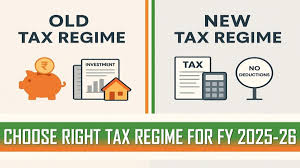
For the current cycle, the default selection has shifted to a specific framework for most individuals. standard option or switch. This choice stays open until the very last moment of submitting the yearly paperwork.
The Union Budget 2025 brought many changes that will affect future wealth and savings. It is important to check the income tax slabs for 2026 to ensure one does not pay too much. Staying informed helps individuals organise their money while following the latest official guidelines.
Key Takeaways
- Compliance in India has shifted from form-based to data-based tracking.
- The updated system is now the default choice for the current fiscal year.
- Automated analytics now link GST, bank records, and official statements.
- Taxpayers maintain the flexibility to switch options at the time of filing.
- The Union Budget 2025 introduced specific updates to the existing structure.
- Focusing on data consistency is vital to avoid notices from authorities.
- Reviewing the latest updates helps individuals optimise their yearly savings.
Understanding India’s Dual Tax Regime System
Understanding India’s dual tax regime is crucial for taxpayers to make informed decisions about their tax liabilities. The Indian government introduced a new tax regime in the Budget 2020 under Section 115BAC of the Income-tax Act, 1961, providing taxpayers with a choice between two distinct tax structures.
Brief History of the Two-Regime Structure
The introduction of the new tax regime marked a significant shift in India’s tax landscape. The new tax regime offers lower tax rates but with fewer exemptions and deductions. This change was aimed at simplifying the tax structure and reducing tax litigation.
The old tax regime, on the other hand, remains available, allowing taxpayers to claim various deductions and exemptions under different sections of the Income-tax Act, 1961.
How the Old Regime Works
Under the old tax regime, taxpayers can claim deductions under various sections such as Section 80C, Section 80D, and others, thereby reducing their taxable income. The tax rates under this regime are progressive, with higher income slabs attracting higher tax rates.
Taxpayers opting for the old regime can also claim exemptions for House Rent Allowance (HRA) and Leave Travel Allowance (LTA), among others, subject to certain conditions.
How the New Regime Works
The new tax regime offers lower tax rates compared to the old regime, but with significant limitations on exemptions and deductions. Taxpayers choosing this regime will have to forego most of the deductions and exemptions available under the old regime.
The new regime is designed to be more straightforward, with a simpler tax structure. However, it may not be beneficial for everyone, especially those who claim substantial deductions under the old regime.
Key Differences at a Glance
- The old regime allows various deductions and exemptions, while the new regime offers lower tax rates with fewer exemptions.
- The new regime has a simpler tax structure, potentially reducing tax litigation.
- Taxpayers need to assess their individual financial situations to decide which regime is more beneficial.
By understanding the old vs new tax regime differences, taxpayers can make an informed decision that aligns with their financial goals and tax planning strategies for FY 2025-26.
Income Tax Slabs 2026: Old vs New Regime Comparison
With the new financial year around the corner, taxpayers need to familiarise themselves with the updated income tax slabs. The Indian government has introduced changes in the tax slabs for FY 2025-26, affecting both the old and new tax regimes.
New Regime Tax Slabs for FY 2025-26
The new tax regime has been revised to offer more benefits to taxpayers. The basic exemption limit has been increased to Rs 4 lakhs, making it more attractive for those who do not wish to claim deductions.
The new regime tax slabs are as follows:
- No tax up to Rs 4 lakhs
- 5% tax on income between Rs 4 lakhs and Rs 8 lakhs
- 10% tax on income between Rs 8 lakhs and Rs 12 lakhs
- 15% tax on income between Rs 12 lakhs and Rs 16 lakhs
- 20% tax on income between Rs 16 lakhs and Rs 20 lakhs
- 25% tax on income between Rs 20 lakhs and Rs 24 lakhs
- 30% tax on income above Rs 24 lakhs
Deductions Allowed Under New Tax Regime (FY 2026-27)
Under the new regime, most deductions under Chapter VI-A are disallowed, except specific ones.
1️⃣ Employer Contribution to NPS – Section 80CCD(2)
This is the most important allowed deduction.
What is allowed?
- Employer contribution to NPS is deductible
- Limit:
- Up to 14% of salary (for government employees)
- Up to 14% of salary (for others, unless amended)
👉 This deduction is available even in the new regime.
Very Important:
- This is different from 80CCD(1) and 80CCD(1B)
- Employee’s own contribution is NOT allowed in new regime
- Only employer’s contribution is allowed
2️⃣ Section 80JJAA
What is 80JJAA?
- Deduction for additional employee cost
- Available to businesses subject to conditions
- 30% of additional employee cost for 3 years
This deduction is allowed under new regime because it is business-linked incentive.
This is relevant mainly for:
- Companies
- Businesses hiring new employees
❗ Regarding 4-Year Army Tenure Contribution (Agniveer Scheme)
Section 80CCH (Agniveer Corpus Fund)
- Contribution to Agniveer Corpus Fund allowed as deduction
- Both individual and government contribution covered
This deduction is allowed even under new regime.
Old Regime Tax Slabs for FY 2025-26
The old tax regime remains unchanged in terms of tax slabs, the tax rebate under Section 87A is the same as 5 lakh under the old tax regime and 12 lakh under the new tax regime.
The old regime tax slabs are as follows for a person below 60 years
- No tax up to Rs 2.5 lakhs
- 5% tax on income between Rs 2.5 lakhs and Rs 5 lakhs
- 20% tax on income between Rs 5 lakhs and Rs 10 lakh
- 30% tax on income above 10 lakh
The old regime tax slabs are as follows for a person between 60 years to 80 years
- No tax up to Rs 3 lakhs
- 5% tax on income between Rs 3lakhs and Rs 5 lakhs
- 20% tax on income between Rs 5 lakhs and Rs 10 lakh
- 30% tax on income above Rs 10 lakh
The old regime tax slabs are as follows for a person above 80 years
- No tax up to Rs 5 lakhs
- 20% tax on income between Rs 5 lakhs and Rs 10 lakh
- 30% tax on income above Rs10 lakh
Understanding Section 87A Rebate Benefits
The Section 87A rebate is a significant benefit for taxpayers, offering a tax rebate of up to Rs 60,000 in the new regime and Rs 12,500 in the old regime.
Rebate Limits Under New Regime
The new tax regime for FY 2026-27 provides a rebate under Section 87A of up to ₹60000 for resident individuals whose taxable income (after standard deduction) does not exceed ₹ 12,00,000. However, taxpayers must note that this rebate is not available against tax payable on capital gains income. Therefore, even if your total income is within the threshold, tax on short-term or long-term capital gains may still be payable. Proper planning of investment withdrawals becomes crucial in such cases.
Rebate Limits Under Old Regime
In the old regime, the rebate is available to taxpayers with a total taxable income after standard deduction is up to Rs 5 lakhs, and can claim a maximum rebate of Rs 12,500
However, this rebate is not available against tax payable on capital gains income such as:
- Short-term capital gains (Section 111A)
- Long-term capital gains (Section 112 / 112A
- Rebate is available on capital gain other than the above two
Practical Example
Example 1: Income ₹11,80,000 (Salary Only)
Tax calculation under new regime:
Calculate slab-wise tax → Suppose total tax comes to ₹11,500
Since income ≤ ₹12L →
Rebate under 87A available → ₹11,500 reduced to ZERO
Final tax = ₹0 (before cess)
Example 2: Income ₹11,80,000 + ₹1,00,000 LTCG
Total income = ₹12,80,000
Now:
✔ Rebate not available (income exceeds ₹12L)
✔ Even if eligible, rebate not available on LTCG portion
Tax on capital gain payable separately.
This shows strategic planning importance.
One Strategic Section:-
🔹 Planning Tip – Don’t Ignore Capital Gains
You can write:
- Many taxpayers assume income below ₹12 lakh means zero tax.
- But if you have capital gains income, 87A rebate will not reduce that tax.
- Proper tax harvesting and timing of sale becomes important.
👉 Capital Gains Guide blog.2026 Guide: Capital Gains Tax on Shares, Funds & Property
Very Important Clarification:-
- 87A rebate applies only to resident individuals.
- Not available to NRIs.
- Not available to firms or companies.
Comparison Angle with Old Regime
In old regime:
- 87A rebate is usually lower (Rs12500)
- Income threshold differs(Rs500000)
- Capital gain restriction applies:-
- Short-term capital gains (Section 111A)
- Long-term capital gains (Section 112 / 112A)
“Mistakes to Avoid” Section
✔ Assuming rebate applies to capital gains
✔ Not recalculating when income crosses ₹12L
✔ Ignoring marginal increase effect
Real-World Tax Calculation Examples
The choice between the old and new tax regimes can significantly impact an individual’s tax burden, as illustrated by real-world examples. To help taxpayers make informed decisions, we’ll examine three distinct scenarios that highlight the differences between the two regimes.
Example 1: Salaried Employee with Basic Deductions
Let’s consider a salaried employee with a basic salary of ₹600,000 per annum and basic deductions. We’ll calculate their tax liability under both regimes.
Calculation Under New Regime
Under the new regime, the taxpayer’s income is ₹600,000. With the standard deduction of ₹75.000 (as applicable), the taxable income becomes ₹525,000. Using the new regime tax slabs, the tax liability can be computed as follows:
- Tax on ₹525,000: ₹0 on the first ₹4,00,000, 5% on the next ₹1,25,000 = ₹6250+surcharge of 4%
- Total tax liability = ₹6,500; rebate under 87A will be the full amount of ₹6,500, as taxable income is more than ₹ 1200000; no tax liability.
Calculation Under Old Regime
Under the old regime, the same taxpayer can claim deductions under Section 80C (e.g., ₹30,000 for investments in PPF, NSC, etc.) and other applicable sections. This reduces the taxable income to 520000 (after standard deduction and other deductions). The tax liability is then calculated as per the old regime slabs.
- Tax on ₹520000: ₹0 on the first ₹2,50,000, 5% on the next ₹250000 = ₹12500,20% on 20000=4000
- Total tax liability after surcharge 4% = ₹17160, No 87A as taxable income is more than 500000
“The old regime allows for various deductions, potentially lowering the tax liability for those who invest in eligible instruments.”
Example 2: Taxpayer with Multiple Investments
Consider a taxpayer with multiple investments, including those eligible for deductions under Section 80C and 80D.
Utilising Section 80C and 80D
This taxpayer can claim deductions under Section 80C for investments in PPF, NSC, etc., and under Section 80D for health insurance premiums. These deductions can significantly reduce their taxable income under the old regime.
For instance, with ₹1,50,000 invested in eligible Section 80C instruments and ₹25,000 spent on health insurance, the total deductions amount to ₹1,75,000. This can lead to a substantial reduction in taxable income.
Example 3: Homeowner with Housing Loan
A homeowner with a housing loan can benefit from deductions on the interest paid under Section 24(b) of the Income Tax Act.
Home Loan Interest Deduction Impact
Under the old regime, the homeowner can claim a deduction of up to ₹2,00,000 for interest paid on the housing loan, whether the property is self-occupied or let out. This can significantly reduce their taxable income, especially in the early years of the loan when interest payments are higher.
For example, if the interest paid is ₹2,50,000, the taxpayer can claim ₹2,00,000 as a deduction, reducing their taxable income.
“The home loan interest deduction is a significant benefit for homeowners, especially under the old tax regime.”
“
Who Should Choose Which Regime?
The Indian tax system offers two distinct regimes, and understanding which one suits an individual’s financial circumstances is essential for optimal tax planning.
1️⃣ Default Tax Regime
- New regime remains the default regime
- Taxpayer must opt for old regime if desired
- Salaried individuals can switch every year
- Business income taxpayers have restricted switching
2️⃣ Standard Deduction – Allowed
Standard deduction continues to be available under new regime.
✔ Available to salaried
✔ Available to pensioners
Under the new regime, it is 75000, and under the old regime, it is 50000
3️⃣ Rebate Under Section 87A
- ₹60000 rebate under new regime and 12500 under old regime
- Available if taxable income (after standard deduction) ≤ ₹12 lakh under the new regime and 5 lakh under the old regime
- Not available on capital gains
- Only for resident individuals
This remains structurally same except quantum change.
4️⃣ Surcharge Structure Continues
Under new regime:
- Maximum surcharge capped at 25%
- Applies even to high-income individuals
- Important difference from old regime (where higher surcharge applied,Maximum37%)
5️⃣ Deductions Still Allowed (Limited)
As discussed:
✔ Employer contribution to NPS – 80CCD(2)
✔ 80JJAA – Additional employee cost
✔ 80CCH – Agniveer Corpus
Everything else largely disallowed.
6️⃣ House Property Rules Continue
- No deduction for self-occupied home interest
- Let-out property interest allowed
- No inter-head set off of house property loss
This continues unchanged.
7️⃣ Capital Gains Taxation – No Special Relief
Under new regime:
- Capital gains taxed at special rates
- 87A rebate not available against such tax
- Indexation rules continue as per applicable law
- No special concession just because new regime chosen
8️⃣ Alternate Minimum Tax (AMT)
For non-corporate taxpayers:
- AMT implications remain
- But due to limited deductions under new regime, AMT relevance reduces
9️⃣ No Major Structural Incentive Changes
Broadly speaking:
- Framework is same
- Mostly section renumbering under new Act
- Intent remains simplification and lower rates without deductions
The structure of the new tax regime for FY 2025-26 remains substantially similar to earlier years, with limited structural changes apart from slab rationalisation and section realignment under the Income Tax Act 2025.
Strategic Advisory Angle
Concluding insight:
- The new regime is becoming the long-term structural regime.
- Government intent appears to gradually phase behavioural dependence on deductions.
- Investment decisions should not be driven only by tax benefits
Ideal Candidates for the Old Regime
The old tax regime is beneficial for individuals with specific financial commitments and investments. It allows for various deductions and exemptions that can significantly reduce taxable income.
Homeowners with Loan Obligations
Individuals with home loans can benefit from the old regime due to the deductions available on the interest paid on their housing loan under Section 24(b). This can lead to substantial tax savings.
Active Investors and Savers
Those who actively invest in tax-saving instruments such as PPF, NSC, and ELSS can claim deductions under Section 80C, reducing their taxable income.
Those with Multiple Deduction Claims
Individuals with multiple deductions to claim, such as medical insurance premiums (Section 80D), education loan interest (Section 80E), and charitable donations (Section 80G), will find the old regime more beneficial.
Ideal Candidates for the New Regime
The new tax regime, with its lower tax rates and simplified structure, is attractive to certain categories of taxpayers.
Young Professionals with Minimal Investments
Young professionals who do not have significant investments or deductions to claim may prefer the new regime due to its lower tax rates and simplicity.
Those Seeking Simplicity
Individuals who prefer a straightforward tax calculation without the need to claim multiple deductions may find the new regime more appealing.
Creating Your Personal Decision Matrix
To make an informed decision, taxpayers should compare their tax liability under both regimes. A simple comparison can help identify which regime is more beneficial.
| Criteria | Old Regime | New Regime |
|---|---|---|
| Tax Rates | Higher rates with exemptions | Lower rates without exemptions |
| Deductions Available | Multiple deductions (80C, 80D, etc.) | Limited deductions(80JJAA,80CCD(2) |
| Complexity | More complex due to multiple deductions | Simplified tax structure |
| Ideal for | Homeowners, active investors, those with multiple deductions | Young professionals, those seeking simplicity |
Ultimately, the choice between the old and new tax regimes depends on individual financial situations and goals. Taxpayers are advised to assess their financial standing and choose the regime that offers the most benefits.
Maximising Deductions Under the Old Regime
Maximising deductions under the old tax regime requires a thorough understanding of the various sections of the Income Tax Act. The old regime offers a wide range of deductions that can significantly reduce an individual’s taxable income, thereby lowering their tax liability.
Section 80C to 80U: Complete Deduction Guide
The Income Tax Act, under Sections 80C to 80U, provides numerous deductions that taxpayers can claim to reduce their taxable income. These deductions cover a variety of investments and expenses, making it essential for taxpayers to understand what they are eligible for.
Popular deductions such as Section 80C (investments), 80D (medical insurance), 80E (education loan interest), 80G (donations), 80TTA/80TTB (interest income), and 80U (disability deduction) are available only under the old tax regime. Taxpayers opting for the new regime cannot claim these deductions.
Section 80C: Popular Investment Options
Section 80C is one of the most popular deductions, allowing taxpayers to claim deductions on various investments such as Provident Fund (PF), Public Provident Fund (PPF), and National Savings Certificate (NSC). The maximum deduction allowable under this section is ₹1.5 lakh.
- Maximum deduction: ₹1,50,000
- Covers: PPF, EPF, ELSS, LIC premium, principal repayment of home loan, Sukanya Samriddhi, etc.
- Most commonly used deduction by salaried taxpayers.
- ❌ Not available under new regime.
Section 80D: Health Insurance Premiums
Taxpayers can claim deductions on health insurance premiums paid for themselves, their spouses, children, and parents under Section 80D. The deduction limit varies based on the insured’s age, with higher limits for senior citizens: 50,000 for senior citizens and 25,000 for others.
Deduction for health insurance premium.
₹25,000 (self/family)
Additional ₹25,000 for parents (₹50,000 if senior citizen)
Preventive health check-up included within limits.
❌ Not available under new regime.
Section 80E: Education Loan Interest
Section 80E allows taxpayers to claim deductions on the interest paid on education loans taken for higher studies. There is no maximum limit on the deduction, making it a valuable benefit for those with significant education loan repayments.
Deduction on interest paid on higher education loan.
No monetary ceiling.
Available for maximum 8 years.
Only interest portion allowed.
❌ Not available under new regime.
Section 80G: Charitable Donations
Donations to certain charitable institutions and funds are eligible for deductions under Section 80G. The deduction amount can vary from 50% to 100% of the donation amount, depending on the type of institution.
Deduction for donations to specified funds and institutions.
50% or 100% deduction depending on category.
Some donations subject to qualifying limit.
❌ Not available under new regime
Other Key Deductions (80TTA, 80TTB, 80U)
Other notable deductions include Section 80TTA for interest on savings accounts, Section 80TTB for interest on deposits for senior citizens, and Section 80U for individuals with disabilities. These deductions can provide additional tax savings for eligible taxpayers.
Section 80TTA – Savings Account Interest
- Deduction up to ₹10,000.
- Available to non-senior individuals.
- Applies to savings bank interest.
- ❌ Not available under new regime.
🔹 Section 80TTB – Senior Citizen Interest Deduction
- Deduction up to ₹50,000.
- Available to senior citizens.
- Covers interest from bank, post office, and deposit accounts.
- ❌ Not available under new regime.
🔹 Section 80U – Disability Deduction
- Deduction for individuals with disability.
- ₹75,000 (normal disability)
- ₹1,25,000 (severe disability)
- Fixed deduction (not expense-based).
- ❌ Not available under new regime.
Home Loan Interest Deduction Strategy
Home loan interest deductions are a significant benefit for homeowners. Understanding the various sections that provide these deductions can help maximise tax savings.
Section 24(b) Benefits
Section 24(b) allows homeowners to claim deductions on the interest paid on home loans. The maximum allowable deduction is ₹2 lakh for self-occupied properties and let-out properties under the old regime, and only for let-out properties under the new regime.
Section 80EE and 80EEA Additional Benefits
In addition to Section 24(b), taxpayers can also claim additional deductions under Section 80EE and Section 80EEA for home loan interest. These sections provide further relief for first-time homebuyers and those with smaller loan amounts.
No new benefit under Section 80EEA is available for loans sanctioned after 31 March 2022. Further, deductions under Sections 80EE and 80EEA are not available under the new tax regime and can be claimed only if the taxpayer opts for the old regime.
Section 80EE (First-Time Home Buyers)
- Introduced earlier for specified period housing loans.
- Allowed additional deduction of ₹50,000 on interest.
- Applied only if loan sanctioned during specified period (earlier scheme window).
👉 It is not a continuing open benefit.
It applied only to loans sanctioned in the notified period (2016 scheme window).
So practically, no fresh claims unless old eligible loans still continuing.
🏠 Section 80EEA (Affordable Housing)
- Introduced via Finance Act 2019.
- Allowed additional deduction of ₹1.5 lakh on home loan interest.
- Available if loan sanctioned between:
1 April 2019 to 31 March 2022
After 31 March 2022 →
❌ No new eligibility created.
So:
✔ If loan sanctioned within that period → deduction continues (subject to conditions)
❌ Loans sanctioned after 31 March 2022 → not eligible for 80EEA
Now Very Important – New Tax Regime Position
Under the New Tax Regime (Section 115BAC structure):
❌ Section 80EE not allowed
❌ Section 80EEA not allowed
These are Chapter VI-A deductions and are disallowed in new regime.
So even if loan qualifies under sanction period:
- You must choose Old Regime to claim 80EE / 80EEA.
House Property Rules and Rental Income Treatment
Rental income from house properties is taxable, but there are deductions available that can reduce the tax liability. Understanding the rules regarding house property income can help taxpayers optimise their tax savings.
Taxpayers can claim deductions on property taxes and interest on home loans for rented properties. Additionally, a standard deduction of 30% of the annual value is allowed, simplifying the calculation of taxable rental income.
Deduction Comparison Table
| Particulars | Section 24(b) | Section 80EE | Section 80EEA |
|---|---|---|---|
| Nature | Interest on housing loan | Additional interest (first-time buyers) | Additional interest (affordable housing) |
| Maximum Deduction | ₹2,00,000 (Self-occupied) | ₹50,000 | ₹1,50,000 |
| Loan Sanction Period | Ongoing (no closing window) | Specific earlier notified period (2016 scheme) | 1 April 2019 – 31 March 2022 |
| Self-Occupied Property | ✔ Allowed (Old Regime) | ✔ Allowed (Old Regime) | ✔ Allowed (Old Regime) |
| Let-Out Property | ✔ Allowed (no upper limit; subject to set-off rules) | Not relevant separately | Not relevant separately |
| Available Under New Regime? | ❌ Not for self-occupied | ❌ Not allowed | ❌ Not allowed |
| Available Under Old Regime? | ✔ Yes | ✔ Yes (if eligible loan) | ✔ Yes (if loan sanctioned in window) |
Taxpayers claiming housing loan benefits must evaluate carefully before opting for the new tax regime. Deduction under Section 24(b) for self-occupied property, as well as additional deductions under Sections 80EE and 80EEA, are not available under the new regime. Moreover, no fresh eligibility under Section 80EEA exists for loans sanctioned after 31 March 2022. Therefore, individuals with housing loans may find the old regime more tax-efficient depending on their income structure.
In addition to Sections 80C, 80D, 80E, 80EE, 80EEA, 80G, 80TTA, 80TTB, and 80U, deductions such as Section 80CCD(1B) (additional NPS), 80GG (rent paid without HRA), and 80DDB (specified medical treatment) are also available only under the old regime.
Section 80CCD(1B) – Additional NPS ₹50,000
Very important.
- Additional ₹50,000 deduction over and above 80C.
- Very popular among salaried individuals.
- ❌ Not available under new regime.
- ✔ Allowed only in old regime.
This is important because many people invest specifically for this benefit.
Section 80GG – Rent Paid (No HRA)
Very commonly forgotten.
- Deduction available if:
- Individual does not receive HRA.
- Pays rent.
- Subject to formula-based limit.
- ❌ Not available under new regime.
This is important for self-employed and freelancers.
Section 80DDB – Medical Treatment for Specified Diseases
Important for senior citizens.
- Deduction for certain critical illnesses.
- Limit varies.
- ❌ Not available under new regime.
Smart Tax Planning Strategies for 2026
As we approach the financial year 2026, it’s essential to revisit our tax planning strategies to ensure we’re making the most of the available options. With the dual tax regime in place, taxpayers have the flexibility to choose between the old and new regimes. Effective tax planning involves understanding the nuances of both regimes and making informed decisions to minimise tax liability.
Optimising Your Tax Structure Early in the Year
Optimising your tax structure early in the year can help you make the most of the available tax-saving opportunities. It’s crucial to assess your income, investments, and expenses to determine the most tax-efficient strategy. Consider the following tips:
- Review your income projections for the year to determine which tax regime is more beneficial.
- Plan your investments in tax-saving instruments such as ELSS, PPF, and NPS.
- Claim deductions under sections 80C to 80U.
Capital Gains Taxation Considerations for 2026
Capital gains taxation is an essential aspect of tax planning. Understanding the tax implications of your investments can help you make informed decisions. Short-term capital gains are taxed at higher or normal slab rates, depending on the asset, while long-term capital gains generally enjoy concessional rates and, in the case of immovable property( option for resident individual & HUF) purchased before 23rd July 2024, can avail an indexation benefit.
Short-Term Capital Gains
Short-term capital gains arise from the sale of assets held for less than a specified period (typically 24 months for immovable property and other assets, 12 months for listed shares). These gains are taxed according to the applicable slab rates and as per Section 111A@20% for Equity shares( STT paid)
A gain is treated as short-term if the asset is sold within the prescribed holding period.
Holding Period (Important Examples):
- Listed equity shares / equity mutual funds → Up to 12 months
- Unlisted shares → Up to 24 months
- Immovable property (land/building) → Up to 24 months
- Debt mutual funds → Generally treated differently (taxed as per applicable rules)
Tax Rate:
- Listed equity (covered under special provisions) → Taxed at special rate (as per applicable law)
- Other assets → Taxed as per normal slab rates
👉 STCG usually results in higher tax compared to long-term holdings.
Long-Term Capital Gains
Long-term capital gains are gains from the sale of assets held for more than one year for listed equities and two years for other assets. These gains are taxed at a lower rate, typically 12.5%, with an exemption of Rs 125000 under section 112A, indexation benefits for immovable property, subject to the condition prescribed
A gain is long-term if the asset is held beyond the specified holding period.
Holding Period (Important Examples):
- Listed equity shares / equity mutual funds → More than 12 months
- Immovable property → More than 24 months
- Unlisted shares → More than 24 months
Tax Treatment:
- Listed equity → Taxed at special concessional rate above exemption threshold (if applicable)
- Property / other assets → Taxed at prescribed rate (with indexation benefit where applicable)
LTCG generally enjoys:
✔ Lower tax rates
✔ Indexation benefit (for certain assets)
Important Clarification
Under the new tax regime:
- Capital gains are taxed at special rates.
- Rebate under Section 87A is not available against capital gains tax.
- Choice of tax regime does not change capital gains rates.
Strategic Insight
- Holding period planning can significantly reduce tax.
- Timing of sale matters.
- Capital gains harvesting strategy can optimise tax liability.
- Proper record-keeping is essential to avoid AIS mismatch.

Impact on Retirement Planning Decisions
Tax planning strategies can significantly impact retirement planning decisions. It’s essential to consider the tax implications of your retirement savings and investments.
National Pension System (NPS) Advantages
The National Pension System (NPS) offers several tax benefits, including deductions under Section 80C and Section 80CCD(1B). NPS is a retirement savings vehicle that offers a unique combination of tax benefits, flexibility, and potentially higher returns.”
Section 80CCD(1B) provides an additional deduction of ₹50,000 for contribution to the National Pension System (NPS).
🔹 Key Features
- Maximum deduction: ₹50,000
- Over and above ₹1.5 lakh limit under Section 80C
- Available only for individual taxpayers
- Contribution must be to Tier I NPS account
🔹 Important Clarification
This deduction is separate from:
- Section 80CCD(1) → Employee’s contribution (within 80C limit)
- Section 80CCD(2) → Employer’s contribution (allowed separately and even under new regime)
🔹 Availability Under Tax Regimes
| Regime | 80CCD(1B) Allowed? |
|---|---|
| Old Regime | ✔ Yes |
| New Regime | ❌ No |
So if a taxpayer contributes ₹50,000 to NPS and wants this benefit, they must opt for the old regime.
🔹 Example
If an individual contributes:
- ₹1,50,000 under 80C
- ₹50,000 under 80CCD(1B)
Total deduction = ₹2,00,000 under old regime.
Under new regime → this ₹50,000 benefit is not available.
Section 80CCD(2) allows a deduction for the employer’s contribution to the National Pension System (NPS), subject to prescribed limits. Unlike most other deductions under Chapter VI-A, this benefit is available under both old and new tax regimes. However, employee contributions under Sections 80CCD(1) and 80CCD(1B) are not allowed under the new regime.
🔹 Who Can Claim?
- Salaried employees only
- Both government and private sector employees
- Self-employed individuals cannot claim this section
🔹 Deduction Limit
Employer contribution is deductible up to:
- 14% of salary (Basic + DA) for Government employees
- 10% of salary (Basic + DA) for other employees( 14% from FY 2024-25)
(subject to the latest applicable amendment if revised)
The deduction is allowed over and above the ₹1.5 lakh limit under Section 80C.
🔹 Very Important Distinction
| Type of Contribution | Section | Allowed in New Regime? |
|---|---|---|
| Employee contribution | 80CCD(1) | ❌ Not allowed |
| Additional employee contribution | 80CCD(1B) | ❌ Not allowed |
| Employer contribution | 80CCD(2) | ✔ Allowed |
This distinction is critical while selecting tax regime.
🔹 Availability Under Tax Regimes
| Regime | 80CCD(2) Allowed? |
|---|---|
| Old Regime | ✔ Yes |
| New Regime | ✔ Yes |
This is one of the few Chapter VI-A deductions permitted under the new regime.
🔹 Example
Basic + DA = ₹8,00,000
Employer contributes 10% = ₹80,000
This ₹80,000 is deductible under both old and new regimes.
Leave Encashment Exemption – Tax Treatment
Leave encashment received at retirement is exempt for government employees and partially exempt for non-government employees, subject to prescribed limits. Since this exemption falls under the head ‘Salary’ rather than Chapter VI-A, it is available under both the old and new tax regimes.
Leave encashment refers to the amount an employee receives for unutilised earned leave.
The tax treatment depends on whether the amount is received:
- During service
- At retirement
- By government or non-government employee
1️⃣ Leave Encashment During Service
If leave encashment is received while still in service:
- Fully taxable as salary.
- No exemption available.
2️⃣ Leave Encashment at Retirement
(A) Government Employees
✔ Fully exempt from tax.
(B) Non-Government Employees
Exemption available subject to the least of the following:
- Statutory limit (as notified by government)
- 10 months’ average salary
- Actual leave encashment received
- Cash equivalent of leave standing to credit (maximum 30 days per year of service)
Balance amount, if any, is taxable.
🔹 Availability Under Tax Regimes
Leave encashment exemption is not a Chapter VI-A deduction.
Therefore:
✔ Available under both Old and New Regime
✔ Regime choice does not affect exemption
Conclusion :-
The new regime simplifies taxation by removing most deductions, while the old regime rewards disciplined savings and structured financial planning. The correct choice depends on individual income structure and long-term financial goals.
All Deductions at a Glance – Old vs New Regime (FY 2025-26)
🟢 Allowed Under Both Regimes
| Section | Particulars |
|---|---|
| 80CCD(2) | Employer contribution to NPS (subject to limits) |
| Standard Deduction | Available to salaried & pensioners |
| Section 24(b) (Let-out Property) | Interest allowed while computing income from house property (with set-off restrictions under new regime) |
🔵 Available Only Under Old Regime
| Section | Particulars |
|---|---|
| 80C | Investments (PPF, EPF, ELSS, LIC, Principal repayment etc.) |
| 80CCD(1) | Employee NPS contribution (within 80C limit) |
| 80CCD(1B) | Additional ₹50,000 NPS contribution |
| 80D | Medical insurance premium |
| 80E | Education loan interest |
| 80EE | Additional housing loan interest (eligible old cases) |
| 80EEA | Affordable housing loan interest (loans sanctioned till 31 March 2022) |
| 80G | Donations to approved institutions |
| 80GG | Rent paid (if no HRA) |
| 80TTA | Savings bank interest (₹10,000 limit) |
| 80TTB | Senior citizen interest deduction (₹50,000 limit) |
| 80U | Disability deduction |
| 80DDB | Specified medical treatment deduction |
| Section 24(b) (Self-Occupied Property) | Interest up to ₹2 lakh |
🔴 Not Available Under New Regime
Almost all Chapter VI-A deductions except 80CCD(2), 80JJAA (business employment incentive), and 80CCH (Agniveer Fund).
Capital Gains Note
- Capital gains taxed at special rates.
- Section 87A rebate not available against capital gains.
- Regime choice does not change capital gains rates.
Quick Decision Rule
👉 If you claim major deductions (home loan, 80C, 80D, NPS, etc.) → Old regime may be beneficial.
👉 If you claim minimal deductions and prefer simplicity → New regime may be beneficial.
Surcharge–
Under the new tax regime, the surcharge is capped at 25%, whereas under the old regime it can go up to 37% for very high-income individuals. This difference significantly impacts effective tax rates at higher income levels.
Surcharge is an additional tax on income tax, applicable when total income crosses specified thresholds.
🔹 Old Regime Surcharge Rates (Individuals)
| Total Income | Surcharge Rate |
|---|---|
| ₹50 lakh – ₹1 crore | 10% |
| ₹1 crore – ₹2 crore | 15% |
| ₹2 crore – ₹5 crore | 25% |
| Above ₹5 crore | 37% |
✔ Therefore, maximum surcharge under old regime = 37%
🔹 Important Clarification
The 37% surcharge applies to:
- Individuals
- HUF
- AOP / BOI (subject to conditions)
However:
For income taxable under certain special capital gain sections, surcharge may be capped differently (important nuance for professionals).
Comparison with New Regime
Under the new tax regime:
- Maximum surcharge is capped at 25%
- This is one reason high-income individuals may prefer the new regime.
Example (To Show Impact)
Suppose tax liability (before surcharge) = ₹1 crore
Under Old Regime (37% surcharge):
Surcharge = ₹37 lakh
Plus 4% cess on total
Effective tax rate increases significantly.
Under the new regime (Section 115BAC framework):
| Total Income | Surcharge Rate |
|---|---|
| ₹50 lakh – ₹1 crore | 10% |
| ₹1 crore – ₹2 crore | 15% |
| ₹2 crore – ₹5 crore | 25% |
| Above ₹5 crore | 25% (Capped) |
✔ So yes Guruji — maximum surcharge = 25% under new regime
❌ Unlike old regime, it does NOT go up to 37%.
Why This Matters
Under the old regime:
- Income above ₹5 crore → 37% surcharge
- This significantly increases effective tax rate.
Under the new regime:
- Surcharge capped at 25%
- Effective tax rate is lower for very high-income individuals.
This makes new regime attractive for HNIs.
Simple Comparison
| Regime | Maximum Surcharge |
|---|---|
| Old Regime | 37% |
| New Regime | 25% |
One Important Technical Nuance
For certain capital gains income:
- Surcharge may be capped at lower rates even under old regime.
- But general maximum under old regime remains 37%.
Employee Provident Fund Contributions
Employee contribution to EPF qualifies for deduction under Section 80C within the ₹1.5 lakh limit and is available only under the old tax regime. Under the new regime, no deduction benefit is available for employee EPF contribution. However, employer contributions and interest on EPF continue to be governed by existing tax provisions, subject to prescribed limits.
Employee’s own contribution to EPF qualifies for deduction under:
👉 Section 80C
- Included within ₹1,50,000 overall 80C limit.
- Available only under Old Tax Regime.
- ❌ Not available under New Regime.
So if a salaried employee contributes ₹1,20,000 to EPF:
✔ Old Regime → Eligible under 80C
❌ New Regime → No deduction benefit
Allowances – Old Regime vs New Regime
Under the old tax regime, several salary allowances such as HRA and LTA are partially exempt subject to conditions. However, under the new regime, most such exemptions are withdrawn, and allowances become fully taxable unless they are specifically linked to official duties. This significantly impacts salaried employees who rely on HRA and other structured benefits.
🟢 Allowances Under Old Tax Regime
Under the old regime, many allowances are either fully or partially exempt subject to conditions.
🔹 Common Exempt Allowances
| Allowance | Treatment (Old Regime) |
|---|---|
| HRA (House Rent Allowance) | Partially exempt (subject to rent & salary calculation) |
| LTA (Leave Travel Allowance) | Exempt for eligible travel expenses |
| Children Education Allowance | Exempt up to prescribed limit |
| Hostel Allowance | Exempt up to prescribed limit |
| Transport Allowance (special category employees) | Exempt (subject to rules) |
| Uniform Allowance | Exempt if used for official duty |
| Conveyance Allowance | Exempt if used for official duty |
✔ These exemptions reduce taxable salary.
🔴 Allowances Under New Tax Regime
Under the new regime:
❌ Most allowances are NOT exempt.
✔ Fully taxable unless specifically notified.
🔹 Allowances Still Allowed Under New Regime
Certain allowances are still exempt because they are linked to official duties or special categories.
Examples include:
✔ Allowances for official duties (e.g., travel, conveyance for official purpose)
✔ Transport allowance for specially-abled employees
✔ Daily allowance during tour or transfer
✔ Uniform allowance (if actually spent for official purpose)
But:
❌ HRA exemption not allowed
❌ LTA exemption not allowed
❌ Children education allowance not allowed
Standard Deduction
Important clarification:
✔ Standard deduction is allowed in both regimes.
✔ It is not an allowance exemption, but reduces taxable salary.
Quick Comparison Table
| Particular | Old Regime | New Regime |
|---|---|---|
| HRA | ✔ Exempt (subject to rules) | ❌ Not exempt |
| LTA | ✔ Exempt | ❌ Not exempt |
| Children Education Allowance | ✔ Exempt (limited) | ❌ Not exempt |
| Official Duty Allowances | ✔ Exempt | ✔ Exempt |
| Standard Deduction | ✔ Available | ✔ Available |
Practical Impact
Under new regime:
- Salary structuring flexibility reduces.
- HRA benefit lost.
- Total taxable salary increases if employee was heavily allowance-based.
Under the old regime:
- Salary planning helps reduce taxable income.
- Allowance structuring plays important role.
For salaried employees:
- High HRA + rented accommodation → Old regime may be beneficial.
- Low allowances + simple salary → New regime may be beneficial.
Allowances are a major deciding factor in regime selection.
🔹 Employer Contribution to EPF
Employer contribution:
- Not taxable up to prescribed limits.
- Combined limit of employer contribution to:
- EPF
- NPS
- Superannuation fund
(Subject to overall statutory cap per year — applicable if exceeding threshold.)
Important for high-salary employees.
🔹 Interest on EPF
Interest on EPF:
✔ Tax-free subject to contribution limits
✔ If employee contribution exceeds prescribed annual limit, excess interest may become taxable
This is relevant for high-income salaried individuals.
Availability Under Tax Regimes
| Component | Old Regime | New Regime |
|---|---|---|
| Employee EPF Contribution | ✔ Allowed (80C) | ❌ Not Allowed |
| Employer EPF Contribution | ✔ Not taxable (within limits) | ✔ Same treatment |
| EPF Interest | ✔ Exempt (subject to limits) | ✔ Same treatment |
Impact on Insurance Purchase Strategy
Tax planning strategies can also impact insurance purchase decisions. Life insurance premiums are eligible for tax deductions under Section 80C. The removal of deductions under Sections 80C and 80D in the new tax regime significantly changes insurance purchase behaviour. Taxpayers must now buy life and health insurance based on genuine protection needs rather than tax-saving objectives. This shift promotes better financial planning but removes the tax incentive that previously encouraged insurance adoption.
When purchasing insurance, consider the following:
- Choose policies that offer tax benefits.
- Opt for term insurance plans, which are generally more cost-effective.
- Consider ULIPs or other investment-linked insurance products for diversification.
1️⃣ Under Old Tax Regime
Insurance purchases often influenced by tax benefits.
Life Insurance
- Premium eligible under Section 80C
- Encourages:
- Endowment policies
- Traditional savings plans
- ULIPs
Many taxpayers buy insurance mainly to save tax.
Health Insurance
- Premium deductible under Section 80D
- Encourages families to:
- Buy adequate health cover
- Insure parents
- Increase coverage limits
Tax benefit acts as behavioural incentive.
🔹 2️⃣ Under New Tax Regime
Most personal deductions removed.
- ❌ No 80C benefit
- ❌ No 80D benefit
Insurance purchase is no longer tax-driven.
This changes financial behaviour significantly.
🔹 Behavioural Shift
Under old regime:
“Buy insurance to save tax.”
Under the new regime:
“Buy insurance only for protection.”
This is a major psychological change.
🔹 Strategic Impact
Life Insurance
Under new regime:
- Term insurance becomes more logical choice.
- Traditional tax-saving policies lose attractiveness.
- Focus shifts from investment-linked insurance to pure protection.
Health Insurance
Even without tax benefit:
- Medical inflation rising.
- Risk management becomes primary reason.
- Senior citizen health cover becomes essential.
🔹 Financial Planning Insight
New regime:
✔ Discourages tax-motivated insurance purchases
✔ Encourages rational product selection
✔ Reduces mis-selling of “tax-saving insurance plans”
Old regime:
✔ Encourages disciplined savings
✔ But may lead to unnecessary long-term locked products
How the New Regime Influences Financial Behaviour
The new tax regime for FY 2025-26 is not just a change in tax rates; it’s a catalyst for a broader shift in financial behaviour among Indian taxpayers. This shift is primarily driven by the simplified taxation structure and its implications on traditional savings and investment habits.
The new tax regime fundamentally alters financial behaviour by reducing tax-driven investment decisions. Unlike the old regime, which encouraged structured savings through deductions, the new regime promotes simplicity and transparency. However, it also places greater responsibility on individuals to maintain financial discipline without relying on tax incentives.
- Investing in PPF, ELSS, LIC for 80C
- Buying health insurance for 80D
- Contributing to NPS for 80CCD(1B)
New regime removes these tax triggers.
As a result:
✔ Fewer last-minute March investments
✔ Decline in tax-motivated insurance buying
✔ Greater focus on liquidity and flexibility
🔹 Greater Simplicity, Less Complexity
The new regime:
- Simplifies tax calculation
- Reduces documentation burden
- Minimizes planning calculations
For many young earners, simplicity becomes more attractive than optimisation.
🔹 Impact on Long-Term Savings Culture
Old regime indirectly promoted:
- Forced long-term savings
- Retirement-oriented products
- Insurance-based discipline
New regime:
- Reduces compulsory savings pressure
- May increase consumption behaviour
- Requires stronger financial discipline
This is a subtle but important economic shift.
🔹 Behavioural Economics Angle
When tax incentives are removed:
- Decisions become utility-based, not tax-based.
- Insurance becomes protection-driven.
- Investments become return-driven.
- Retirement planning requires conscious effort.
In simple words:
The new regime separates tax planning from financial planning.
🔹 Impact on Young Professionals
For early-career individuals:
✔ More take-home salary
✔ Less incentive to lock money in long-term schemes
✔ Higher short-term liquidity
But also:
⚠ Risk of under-saving for retirement.
🔹 Impact on High-Income Earners
- Lower surcharge cap benefits them.
- Reduced deduction structure simplifies compliance.
- Tax planning shifts toward capital gains timing and compensation structuring.
Why the New Regime Discourages Traditional Savings
The new regime’s reduced tax rates come with the trade-off of fewer deductions and exemptions, potentially discouraging investments in tax-saving instruments like PPF, ELSS, and NSC. Taxpayers may need to reassess their investment strategies to balance tax savings with long-term financial goals.
For instance, under the old regime, investments in Section 80C instruments were encouraged through tax deductions. However, the new regime’s lower tax rates and reduced emphasis on deductions might lead to a decline in such investments.
1️⃣ Removal of Section 80C Incentive
Under the old regime:
- Taxpayers invested in PPF, EPF, ELSS, LIC, Sukanya Samriddhi etc.
- Because up to ₹1.5 lakh deduction was available.
Under the new regime:
❌ No 80C deduction
✔ Investment becomes optional, not tax-driven
Result:
Many people may delay or reduce disciplined long-term investments.
2️⃣ No Tax Benefit for Insurance Premium
Earlier:
- Life insurance premium → 80C benefit
- Health insurance premium → 80D benefit
Now under a new regime:
❌ No deduction for 80C
❌ No deduction for 80D
Insurance buying becomes protection-based rather than tax-saving based.
This reduces the “March rush” investments.
3️⃣ No Incentive for Retirement Contributions
- Additional NPS ₹50,000 under 80CCD(1B) not allowed.
- Tax advantage removed.
Without tax incentive, retirement planning requires self-motivation.
4️⃣ Shift Toward Consumption Behaviour
When deductions disappear:
- Higher immediate take-home salary.
- Lower compulsion to invest.
- Greater liquidity.
- Potential increase in spending behaviour.
From a behavioural economics perspective:
People respond strongly to tax incentives.
Remove incentive → savings behaviour weakens.
5️⃣ Traditional Products Lose Tax Edge
Traditional savings instruments such as:
- PPF
- LIC endowment
- NSC
- Tax-saving FDs
Earlier competed on “tax benefit + return.”
Under new regime:
They must compete only on returns and safety.
This reduces their attractiveness relative to flexible investments.
6️⃣ Policy Intent Perspective
The government’s intent appears to be:
- Simplify taxation
- Reduce complexity
- Separate tax system from forced savings behaviour
But this shifts responsibility to the individual.
Behavioural Impact of Simplified Taxation
The simplified taxation structure under the new regime has a significant behavioural impact on taxpayers. With fewer tax slabs and lower tax rates, individuals are more likely to opt for the new regime, especially those with fewer deductions.
“behavioural impact of taxation”Behavioural Finance – Why Investors Make Costly Mistakes
This simplification can lead to increased compliance and reduced tax evasion, as the tax structure becomes more transparent and easier to understand.
1️⃣ Reduced Cognitive Load
Simplified tax slabs and fewer deductions mean:
- Less calculation
- Less documentation
- Fewer investment decisions purely for tax
From a behavioural perspective:
When complexity reduces, decision fatigue reduces.
People feel:
✔ More control
✔ Less anxiety during filing season
2️⃣ Shift from “Optimisation” to “Acceptance”
Under complex tax systems:
- Individuals try to minimise tax aggressively.
- Financial planning becomes tax-driven.
Under simplified taxation:
- Individuals focus less on loophole optimisation.
- Tax becomes predictable and transparent.
This may improve voluntary compliance.
3️⃣ Decrease in Last-Minute Financial Decisions
Old regime behaviour:
- March rush investments.
- Buying policies only for deduction.
- Forced savings without long-term planning.
New regime:
✔ Reduces panic-driven investing.
✔ Encourages calmer, planned decisions.
4️⃣ Higher Immediate Liquidity
Without mandatory tax-saving investments:
- Higher disposable income.
- More spending flexibility.
- Greater liquidity for emergencies.
However:
⚠ Risk of lower long-term wealth accumulation if discipline weakens.
5️⃣ Change in Risk Appetite
When tax incentives reduce:
- Investors compare products based on returns and risk.
- Traditional guaranteed products may lose dominance.
- Market-linked products gain attention.
This subtly changes household asset allocation patterns.
6️⃣ Responsibility Shifts to Individual
Old regime:
System nudged people toward saving.
New regime:
System becomes neutral.
Individual must self-regulate.
This increases:
✔ Financial awareness importance
✔ Need for personal discipline
✔ Role of financial education
7️⃣ Compliance Psychology
Simplified taxation:
- Improves perception of fairness.
- Reduces feeling of “tax complexity burden.”
- May improve voluntary compliance culture.
When tax rules are simpler, people are more willing to comply.
Balancing Tax Savings with Long-Term Wealth Creation
Taxpayers must now balance the need for tax savings with long-term wealth creation. This requires a nuanced understanding of various investment options and their tax implications.
| Investment Option | Tax Implications | Long-Term Benefits |
|---|---|---|
| PPF | Tax-free maturity proceeds | Long-term savings, fixed returns |
| ELSS | Tax deduction under Section 80C | Equity exposure, potential for high returns |
| National Pension System (NPS) | Tax deduction under Section 80C and 80CCD(1B) | Retirement corpus, market-linked returns |
1️⃣ Tax Saving Is a Tool, Not the Goal
Under the old regime:
- Investments are often driven by deduction limits.
- Many individuals invest just to exhaust ₹1.5 lakh under 80C.
But wealth is not created merely by saving tax.
It is created by:
✔ Asset allocation
✔ Compounding
✔ Consistency
✔ Risk management
Tax benefit should support investment — not dictate it.
2️⃣ Avoid “March-Driven” Investment Behaviour
Common mistake:
- Investing in unsuitable products in March to reduce tax.
- Buying insurance policies without understanding returns.
- Locking funds unnecessarily.
Tax saving without alignment to financial goals may reduce long-term returns.
3️⃣ Under New Regime – Greater Financial Freedom
The new regime:
✔ Removes tax distortion
✔ Allows product choice based on merit
✔ Encourages return-based decision-making
But it requires:
⚠ Higher self-discipline
⚠ Conscious retirement planning
4️⃣ Strategic Balance Approach
You may advise readers:
- First, calculate both regimes.
- If old regime gives significant benefit, utilise deductions smartly.
- Invest in tax-saving instruments only if they align with:
- Risk profile
- Time horizon
- Liquidity needs
- Never buy a product only for deduction.
5️⃣ Wealth Creation Focus Areas
Regardless of regime:
✔ Build emergency fund
✔ Maintain adequate term insurance
✔ Maintain adequate health insurance
✔ Invest for retirement systematically
✔ Plan capital gains tax efficiently
These drive wealth more than short-term tax optimisation.
6️⃣ Long-Term View
A ₹20,000 tax saving today may not compensate for:
- Poor product selection
- Low-return traditional policies
- Illiquid long-term commitments
Smart investors evaluate:
Net return after tax
Liquidity
Flexibility
Goal alignment
The Way Forward: Integrating Tax Planning with Financial Goals
To navigate the new tax regime effectively, taxpayers should integrate tax planning with their overall financial goals. This involves assessing the impact of tax changes on their financial decisions and adjusting their strategies accordingly.
By doing so, individuals can ensure that their tax planning is aligned with their long-term financial objectives, rather than just focusing on short-term tax savings.
.
1️⃣ Tax Planning Is a Means, Not the Destination
Many individuals:
- Choose investments only for deductions.
- Buy policies only to reduce taxable income.
- Focus more on slab rates than wealth creation.
But real financial planning answers bigger questions:
✔ Are you building a retirement corpus?
✔ Is your family financially protected?
✔ Are you prepared for emergencies?
✔ Are you investing for children’s education?
Tax efficiency should support these goals — not override them.
2️⃣ Goal-Based Approach to Tax Decisions
Instead of asking:
“How can I reduce tax?”
Ask:
“What are my financial goals — and how can I achieve them tax-efficiently?”
For example:
- Retirement goal → NPS / EPF / diversified equity
- Protection goal → Term & health insurance
- Wealth growth goal → Equity allocation
- Stability goal → Debt allocation
Tax benefit becomes secondary.
3️⃣ Old Regime vs New Regime in Goal Planning
Under Old Regime
- Encourages structured savings.
- Supports disciplined long-term investing.
- Useful for individuals already committed to tax-saving investments.
Under New Regime
- Provides flexibility.
- Removes tax-driven distortions.
- Suitable if you are self-disciplined in investing.
The right choice depends on whether you rely on tax incentives to save.
4️⃣ Avoid Common Trap
Do not:
❌ Buy an unsuitable insurance plan for 80C
❌ Lock funds in low-return products only for deduction
❌ Ignore liquidity needs
Instead:
✔ Select products aligned with goals
✔ Then optimise tax around them
5️⃣ Strategic Framework for 2026
You can suggest this 4-step framework:
- Identify financial goals (short, medium, long-term).
- Design asset allocation accordingly.
- Compare tax regime impact.
- Choose regime that supports your financial roadmap.
Tax regime should adapt to your financial plan — not the other way around.
Common Mistakes to Avoid When Choosing Your Tax Regime
Choosing the right tax regime is a crucial decision that can significantly impact your financial planning. With the introduction of the new tax regime, taxpayers in India are faced with the challenge of deciding which regime suits their financial situation best. The decision requires careful consideration of various factors, including tax liability, long-term financial goals, and available deductions.
Many taxpayers make avoidable mistakes when selecting a tax regime, which can lead to missed opportunities for tax savings or unintended financial consequences. Understanding these common pitfalls can help individuals make more informed decisions.
Mistake 1: Not Calculating Tax Liability Under Both Scenarios
One of the most critical mistakes taxpayers make is not calculating their tax liability under both the old and new tax regimes. This comparison is essential to determine which regime is more beneficial. Taxpayers should consider their income, deductions, and exemptions to make an accurate calculation.
For instance, a taxpayer with a taxable income of ₹10 lakhs might find that the new regime offers a lower tax liability if they have minimal deductions. Conversely, another taxpayer with the same income but with significant deductions under Section 80C and other sections might benefit more from the old regime.
| Tax Regime | Taxable Income | Deductions | Tax Liability |
|---|---|---|---|
| Old Regime | ₹10,00,000 | ₹1,50,000 | ₹85800 ( no 87A deduction available) |
| New Regime | ₹10,00,000 | Nil | NIL,(87A deduction) |
Mistake 2: Ignoring Long-Term Financial Planning Needs
Taxpayers often focus solely on the immediate tax benefits without considering the long-term implications of their choice. The old regime allows for various deductions that can encourage long-term investments, such as those in PPF, NPS, and life insurance policies. Ignoring these benefits can lead to suboptimal financial planning.
For example, investments in NPS not only provide tax deductions but also build a retirement corpus. Switching to the new regime without considering these long-term benefits might not be advantageous for everyone.
Mistake 3: Switching Regimes Without Proper Analysis
Some taxpayers switch between regimes without a thorough analysis of their financial situation. This can lead to unexpected tax liabilities or missed benefits. It’s crucial to reassess your financial situation each year, as changes in income, investments, or family circumstances can affect which regime is more beneficial.
Mistake 4: Overlooking Employer-Provided Benefits
Employer-provided benefits, such as the leave travel allowance (LTA) or medical benefits, are often linked to the old tax regime. Taxpayers should consider how their employer’s benefits structure interacts with their tax regime choice.
For instance, if an employer provides LTA, which is exempt under the old regime, switching to the new regime might result in losing this exemption, potentially increasing taxable income.
Mistake 5: Making Investments Solely for Tax Savings
Investing solely for the purpose of saving taxes can lead to suboptimal investment decisions. Taxpayers should align their investments with their financial goals rather than just focusing on tax deductions.
For example, investing in a tax-saving fixed deposit solely for the tax benefit might not be the best investment strategy if it doesn’t align with the taxpayer’s risk tolerance or financial goals.
In conclusion, avoiding common mistakes when choosing a tax regime requires careful consideration of one’s financial situation, long-term goals, and the implications of each regime. By understanding these factors and calculating tax liabilities under both regimes, taxpayers can make informed decisions that optimise their tax savings and overall financial health.
Conclusion
The decision between the old and new tax regimes in 2026 is not merely about slab comparison. It is about aligning tax structure with financial behaviour, protection planning, retirement strategy, and long-term wealth creation. Calculate carefully, evaluate objectively, and choose the regime that complements your financial roadmap.
10 Key Takeaways – Old vs New Tax Regime (2026)
1️⃣ There Is No Universal “Best” Regime
The right choice depends on your income structure, deductions, and financial goals.
2️⃣ Slab Rates Are Not the Full Story
Lower slab rates under the new regime may not always result in lower tax if you claim substantial deductions.
3️⃣ Section 87A Rebate Needs Careful Evaluation
Rebate of ₹12,000 is available up to ₹12 lakh taxable income, but not against capital gains.
4️⃣ Home Loan Is a Major Deciding Factor
Self-occupied home loan interest is not allowed under the new regime — this can significantly impact tax liability.
5️⃣ Most Chapter VI-A Deductions Exist Only in Old Regime
Sections like 80C, 80D, 80E, 80G, 80CCD(1B), etc., are not available under the new regime.
6️⃣ Employer NPS Contribution Is Allowed in Both
Section 80CCD(2) remains available even under the new regime.
7️⃣ Surcharge Difference Matters for High-Income Individuals
Old regime maximum surcharge: 37%
New regime maximum surcharge: 25%
This significantly impacts ultra-high income earners.
8️⃣ Allowances Impact Salaried Employees
HRA, LTA and several salary exemptions are not available under the new regime.
9️⃣ New Regime Simplifies but Removes Incentives
It reduces complexity but also discourages tax-driven traditional savings.
🔟 Tax Planning Must Align With Wealth Creation
Choose the regime that supports your long-term financial discipline — not just short-term tax saving.
Understanding the nuances of India’s dual tax regime system is crucial for taxpayers to make informed decisions about their tax obligations for the financial year 2025-26. The comparison between the old and new income tax slabs for 2026 reveals distinct advantages and disadvantages of each regime.
Taxpayers must carefully evaluate their financial situations, investment strategies, and long-term goals to choose the most beneficial tax regime. The new regime offers simplicity with lower tax rates, while the old regime provides various deductions and exemptions that can significantly reduce tax liability.
By considering the implications of each tax regime and planning accordingly, taxpayers can optimise their tax savings and make the most of the available tax benefits. It is essential to stay informed about the income tax slabs 2026 and the tax regime comparison to ensure compliance and maximise tax efficiency.
FAQ:-
What are the updated income tax slabs 2026 for the new tax regime fy 2025-26?
Under the new tax regime fy 2025-26, the slabs have been revised to provide more relief to middle-income earners. For the financial year, income up to ₹3 lakh is fully exempt. The tax is then levied at 5% for ₹3–7 lakh, 10% for ₹7–10 lakh, 15% for ₹10–12 lakh, 20% for ₹12–15 lakh, and 30% for income exceeding ₹15 lakh. This structure aims to simplify the process for employees at firms like Infosys or Wipro.
How does the Section 87A rebate benefit taxpayers in the different regimes?
The Section 87A rebate remains a cornerstone of tax relief for lower-income brackets. In the new regime, individuals with a total taxable income of up to ₹7 lakh pay no tax, as the rebate covers the entire liability. When performing a tax regime comparison, it is clear that the old regime typically offers a lower rebate threshold, often up to ₹5 lakh, meaning those with modest incomes might find the new system more advantageous.
Is the home loan interest deduction still available under both regimes in 2026?
No, the home loan interest deduction under Section 24(b) is only available to those who opt for the old tax regime. Homeowners with mortgages from HDFC Bank or State Bank of India can claim a deduction of up to ₹2 lakh on interest paid for a self-occupied property. If a taxpayer chooses the new regime, they must forgo this benefit in exchange for lower tax rates across the income tax slabs 2026.
What changes should investors expect regarding capital gains tax 2026?
The capital gains tax 2026 rules have been standardised to simplify the investment landscape. Short-term capital gains on listed equity are taxed at 20%, while long-term capital gains (LTCG) above ₹1.25 lakh attract a 12.5% tax rate. These rates apply whether the investor is using a Zerodha trading account or holding units in ICICI Prudential Mutual Fund, regardless of the chosen tax regime.
Which is better for a high-saver: the old vs new tax regime?
For a taxpayer who actively invests in Life Insurance Corporation (LIC) policies, Public Provident Fund (PPF), and high-value health insurance from Star Health, the old vs new tax regime debate usually leans towards the old regime. This is because the old regime allows for significant deductions under Section 80C and 80D, which can drastically reduce the taxable income compared to the flatter rates of the new regime.
Can a salaried professional at a company like Tata Consultancy Services switch between regimes?
Yes, salaried employees have the flexibility to choose between the old vs new tax regime every financial year. At the start of the year, they can declare their preference to their employer’s HR department to optimise their monthly Tax Deducted at Source (TDS). A final choice can then be made when filing the annual return with the Income Tax Department.
Does the new tax regime fy 2025-26 offer a standard deduction?
Yes, the new tax regime fy 2025-26 includes an enhanced standard deduction of ₹75,000 for salaried individuals and pensioners. This is a significant increase from previous years and helps bridge the gap for those who previously relied on the old regime’s deductions to lower their liability within the income tax slabs 2026.
Disclaimer
This publication is intended solely for informational and educational purposes and does not constitute professional, legal, tax, or financial advice. The information provided has been compiled from sources believed to be reliable; however, its accuracy, completeness, or current relevance is not guaranteed. The views and opinions expressed herein reflect the author’s understanding at the time of publication and are subject to change without notice.
Readers are strongly advised to seek independent professional advice before making any decision or taking any action based on the information contained in this publication. The author and publisher expressly disclaim any responsibility or liability for any loss, damage, or consequence arising directly or indirectly from reliance on this content or from any action taken or not taken based on it.