The automobile sector in India represents a primary engine for national prosperity. It stands as a massive manufacturing hub that fosters industrial output and modern connectivity. This vibrant field currently contributes nearly 8 per cent of the total GDP.

Millions of people find work throughout this expansive landscape. It provides both direct and indirect employment opportunities for many households. Such a massive scale makes it a cornerstone of the economy.
Experts expect the auto industry to see a steady normalisation of wholesale volumes soon. A moderate rise of 3-6 per cent is likely via rural demand. These trends suggest a very bright future for the market.
Key Takeaways
- Contributes approximately 7-8 per cent to the national GDP.
- Creates millions of direct and indirect jobs for citizens.
- Forecasted wholesale growth sits between 3-6 per cent.
- Rural demand acts as a major driver for sales expansion.
- Post-GST reform factors support the current market stability.
India’s Auto Industry: A Pillar of Economic Growth
With its substantial contribution to the national GDP, India’s auto industry stands as a pillar of economic growth. The industry is one of the largest in the country, playing a vital role in the nation’s economic framework.
The automobile industry plays a critical role in India’s economic development. It is one of the largest manufacturing sectors in the country and contributes significantly to GDP, employment, and industrial growth.
India has emerged as one of the largest automobile markets in the world, supported by rising income levels, rapid urbanization, and expanding infrastructure. The industry also supports multiple allied sectors such as steel, rubber, electronics, logistics, and finance.
In recent years, the sector has entered a transformative phase with the rise of electric vehicles (EVs), government incentives, and new technologies, making the future of the automobile industry in India extremely promising.
Contribution to National GDP and Employment Generation
The Indian automobile sector significantly contributes to the country’s GDP, accounting for around 7–8% of the national GDP. This substantial contribution underscores the industry’s importance in the overall economic health of the nation.
The industry is also a major employment generator, providing millions of direct and indirect jobs across various segments, including manufacturing, sales, and aftermarket services. The employment opportunities created by the auto industry have a positive impact on the livelihoods of countless individuals and families.
| Category | Contribution to GDP | Employment Generated |
|---|---|---|
| Automobile Manufacturing | 4.5% | 3 million direct jobs |
| Ancillary Industries | 2.5% | 5 million indirect jobs |
| Sales and Services | 1% | 2 million jobs |
India’s Position in the Global Automobile Market
India is among the top three global automobile markets, showcasing its significant presence in the international automotive landscape. The country’s strong position is a result of its large and growing demand for vehicles, driven by rising incomes and urbanisation.
The Ripple Effect Across Steel, Rubber, Electronics, and Logistics Sectors
The growth of the automobile industry has a ripple effect across sectors such as steel, rubber, electronics, and logistics. The demand for raw materials and components from these sectors is directly influenced by the performance of the auto industry.
For instance, the steel industry benefits significantly from the demand for automotive parts and bodies. Similarly, the rubber industry sees a surge in demand for tyres and other rubber components. The electronics sector also benefits from the increasing incorporation of advanced electronics in modern vehicles.
- Steel industry: Demand for automotive parts and bodies
- Rubber industry: Demand for tyres and other rubber components
- Electronics sector: Incorporation of advanced electronics in vehicles
- Logistics sector: Demand for transportation and storage services
The automobile industry’s influence on these sectors highlights its critical role in the broader economy, making it a key driver of growth and development.
Current Size and Performance of the Indian Automobile Market
With a robust growth trajectory, the Indian automobile market has emerged as one of the largest globally. The market’s performance is a testament to the country’s growing economy and increasing consumer demand for vehicles.
India’s Ranking Among the Top Three Global Automobile Markets
India has secured a position among the top three global automobile markets, showcasing its significance in the international automotive landscape. This achievement is attributed to the country’s large consumer base, favourable government policies, and investments in manufacturing infrastructure.
Passenger Vehicles
This segment includes hatchbacks, sedans, and SUVs.
In recent years, SUV demand has grown significantly, driven by consumer preference for larger vehicles and better road infrastructure.
Two-Wheelers
Two-wheelers remain the largest segment of the Indian automobile market.
Motorcycles and scooters are widely used for daily commuting, especially in smaller towns and rural areas.
Commercial Vehicles
Commercial vehicles such as trucks and buses are closely linked with economic activity, logistics, and infrastructure development.
Demand in this segment often reflects the overall health of the economy.
Electric Vehicles
Electric mobility is emerging as the fastest-growing segment in the automobile sector.
Electric two-wheelers and electric buses are gaining rapid acceptance due to lower running costs and government incentives.
The Indian government’s initiatives, such as the Make in India campaign, have played a crucial role in attracting foreign investments and promoting domestic manufacturing. As a result, India has become an attractive destination for global automobile manufacturers.
Passenger Vehicle Segment Growth Trajectory
The passenger vehicle segment in India is on a strong growth trajectory, driven by increasing demand from the middle-class population and rising incomes. The segment includes various categories such as sedans, hatchbacks, SUVs, and luxury vehicles.
- Increasing demand for SUVs and crossovers
- Growing preference for premium and luxury vehicles
- Expanding model portfolios by manufacturers
- Easing of financing options for consumers
As consumer preferences evolve, manufacturers are responding by introducing new models and technologies, further fuelling the growth of the passenger vehicle segment.
Two-Wheeler Market Dominance and Future Potential
The two-wheeler market remains a dominant force in India’s automobile industry, with a significant presence in both urban and rural areas. Two-wheelers are a preferred mode of transportation due to their affordability, fuel efficiency, and ease of maintenance.
Key factors contributing to the dominance of the two-wheeler market include:
- Large demand from rural areas
- Affordability and cost-effectiveness
- Expanding distribution networks
As the market continues to evolve, manufacturers are focusing on introducing electric and hybrid two-wheelers to cater to the growing demand for environmentally friendly and sustainable transportation options.
Key Segments Driving the Automobile Industry Forward
Several key segments are propelling the Indian automobile industry forward, reflecting changing consumer demands and technological advancements. The industry’s growth is multifaceted, with various segments contributing to its expansion.
The SUV Boom Reshaping Consumer Preferences
The SUV segment is experiencing a significant boom in India, driven by changing consumer preferences and the launch of new models. Consumers are increasingly favouring SUVs due to their versatility, higher ground clearance, and perceived safety. This shift has led to a surge in SUV sales, with many manufacturers introducing new and updated models to cater to the growing demand.
The SUV boom is not limited to any particular segment; both compact and mid-size SUVs are witnessing robust growth. The introduction of new models with advanced features and improved fuel efficiency has further accelerated this trend.
Premium Vehicle Sales and Luxury Segment Growth
The premium and luxury vehicle segments are also experiencing significant growth in India. Rising incomes and changing consumer preferences are driving the demand for high-end vehicles. Luxury car manufacturers are introducing new models with advanced features, catering to the evolving tastes of Indian consumers.
Key factors driving the growth of the premium segment include:
- Increasing disposable incomes
- Changing consumer preferences towards premium products
- Introduction of new luxury models
Commercial Vehicles and Their Economic Role
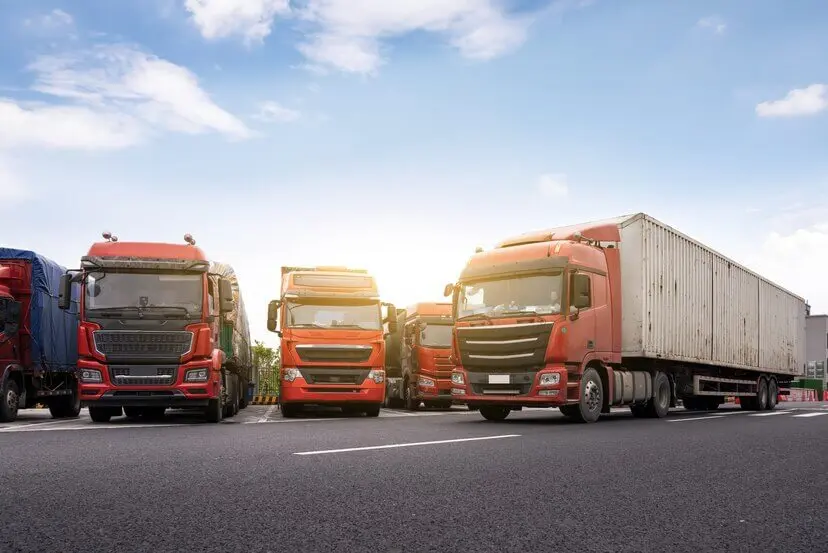
Commercial vehicles play a vital role in India’s economy, facilitating the transportation of goods and people. The demand for commercial vehicles is closely linked to the overall economic activity, with growth in industries such as logistics, construction, and e-commerce driving the demand for trucks and other commercial vehicles.
The government’s infrastructure development initiatives and investments in road connectivity are expected to further boost the demand for commercial vehicles.
Two-Wheeler and Three-Wheeler Segments
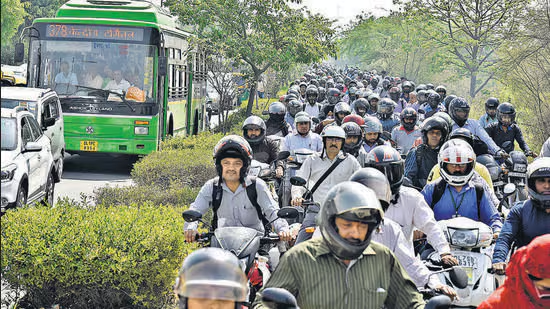
The two-wheeler segment continues to be a significant contributor to the Indian automobile industry, with a large market for motorcycles, scooters, and mopeds. The three-wheeler segment, including passenger and cargo carriers, is also witnessing growth, driven by the increasing demand for last-mile connectivity solutions.
The growth in these segments is driven by factors such as:
- Affordability and fuel efficiency
- Increasing demand for personal mobility
- Government initiatives to promote electric vehicles
Government Policies and Regulatory Framework Supporting Growth
The Indian government’s proactive approach to supporting the auto industry has been instrumental in its growth story. Various policies and regulatory frameworks have been implemented to foster a conducive environment for the industry’s expansion.
The Government of India has introduced several policies to promote growth and technological transformation in the automobile industry.
Some major initiatives include:
• FAME Scheme (Faster Adoption and Manufacturing of Electric Vehicles)
• Production Linked Incentive (PLI) Scheme for Auto and Auto Components
• Vehicle Scrappage Policy
• Incentives for EV battery manufacturing
These policies are encouraging companies to invest in advanced technologies and local manufacturing.
Production-Linked Incentive Schemes for Automotive Manufacturing
The government has introduced Production-Linked Incentive (PLI) schemes to boost automotive manufacturing in India. These schemes aim to increase domestic production, attract foreign investment, and enhance the competitiveness of the Indian auto industry globally. As noted by a industry expert,
“The PLI scheme is a game-changer for the Indian auto industry, as it encourages manufacturers to invest in cutting-edge technology and expand their production capacities.”
The PLI schemes cover various segments, including automotive and auto components, and offer incentives based on incremental sales. This move is expected to create a ripple effect, benefiting ancillary industries and generating employment opportunities.

FAME India Programme and EV Subsidies
The Faster Adoption and Manufacturing of Hybrid and Electric Vehicles (FAME) India programme is another significant initiative by the government. It aims to promote the adoption of electric vehicles (EVs) by providing subsidies and incentives to manufacturers and buyers. The programme is crucial in reducing the country’s dependence on fossil fuels and mitigating environmental pollution.
Under the FAME India programme, subsidies are offered for the purchase of electric two-wheelers, three-wheelers, and four-wheelers. Additionally, incentives are provided for the development of charging infrastructure, which is essential for widespread EV adoption.
Make in India Initiative and Automotive Mission Plan 2026
The Make in India initiative is a broader campaign by the government to promote India as a manufacturing hub. The automotive sector is a key focus area under this initiative, with the government aiming to make India a global hub for automobile manufacturing.
The Automotive Mission Plan (AMP) 2026 is a roadmap for the industry’s development, outlining key strategies and objectives for the next few years. The plan focuses on enhancing competitiveness, improving infrastructure, and promoting sustainable practices in the industry.
As the government continues to implement these policies and initiatives, the Indian auto industry is poised for significant growth, driven by a combination of domestic demand and export opportunities. The future of the auto industry in India looks promising, with the government’s supportive policies playing a crucial role in shaping its trajectory.
The Electric Vehicle Revolution Transforming India’s Auto Landscape
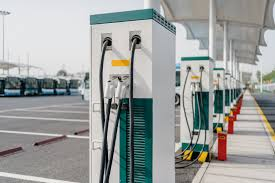
Electric vehicles are transforming the Indian auto landscape, driven by government incentives and technological advancements. The shift towards electric mobility is gaining momentum, with various stakeholders investing heavily in the sector.
One of the biggest transformations in the Indian automobile industry is the shift toward electric mobility.
Several factors are driving EV growth:
• Government incentives and subsidies
• Rising fuel prices
• Environmental concerns
• Improvements in battery technology
• Expansion of EV charging infrastructure
Electric two-wheelers are currently leading EV adoption in India, while electric buses are also being deployed in many cities.
Industry estimates suggest that electric vehicles could account for a significant share of vehicle sales in the coming decade.
Current State of EV Adoption Across Vehicle Categories
The adoption of electric vehicles in India is witnessing a significant surge across different vehicle categories. The two-wheeler segment is leading the charge, with many manufacturers launching electric models.
According to a recent report, the electric two-wheeler market in India is expected to grow substantially, driven by increasing demand and government support.
| Vehicle Category | 2022 Sales | 2023 Sales | Growth Rate |
|---|---|---|---|
| Electric Two-Wheelers | 150,000 | 250,000 | 66.7% |
| Electric Three-Wheelers | 30,000 | 50,000 | 66.7% |
| Electric Cars | 5,000 | 10,000 | 100% |
As evident from the table, the sales of electric vehicles are increasing rapidly, with electric cars showing the highest growth rate.
Charging Infrastructure Development and Expansion Plans
The development of charging infrastructure is crucial for the widespread adoption of electric vehicles. The Indian government has announced plans to expand the charging network across the country.
“The government aims to set up charging stations at every 25 km on highways and in major cities, making it more convenient for EV owners to charge their vehicles.”
This initiative is expected to boost consumer confidence in electric vehicles and drive further adoption.
Major Manufacturers and New Entrants in the EV Space
Several major manufacturers, including established automakers and new entrants, are investing in the Indian EV market. Companies like Tata Motors, Mahindra & Mahindra, and Hyundai are already offering electric models.
New entrants, such as Ola Electric and Ather Energy, are also gaining traction with their innovative products and business models.
Battery Technology and Localisation Efforts
Advancements in battery technology are critical for the growth of the EV industry. Manufacturers are focusing on improving battery efficiency, reducing costs, and enhancing localisation efforts.
Localisation of battery production is expected to reduce dependence on imports and create new opportunities for Indian businesses.
The future of electric vehicles in India looks promising, with the government and industry stakeholders working together to drive growth and adoption.
Rising Incomes and Urbanisation: Catalysts for Automobile Demand
The growing middle class and urbanisation are catalysing the demand for automobiles, shaping the future of India’s auto industry. As the economy continues to grow, more individuals are entering the middle class, thereby increasing their purchasing power.
Growing Middle Class and Enhanced Purchasing Power
The expansion of the middle class in India is a significant driver of automobile demand. With higher disposable incomes, consumers are more likely to invest in personal vehicles, enhancing their mobility and quality of life.
Key factors contributing to this trend include:
- Increased employment opportunities in urban areas
- Rise in salaries and wages
- Greater access to credit facilities
Urban Mobility Needs and Changing Consumer Preferences
Urbanisation is not only driving the demand for automobiles but also changing consumer preferences. The need for convenient, reliable, and sustainable mobility solutions is becoming increasingly important.
Some of the emerging trends in urban mobility include:
- Preference for electric and hybrid vehicles
- Increased demand for compact and fuel-efficient vehicles
- Growing interest in shared mobility services

Tier 2 and Tier 3 City Market Expansion Opportunities
The growth of the automobile market is not limited to metropolitan areas; Tier 2 and Tier 3 cities are also presenting significant opportunities. As infrastructure develops and incomes rise in these regions, the demand for automobiles is expected to increase.
Opportunities in Tier 2 and Tier 3 cities include:
- Expanding distribution networks to reach a wider customer base
- Introducing models that cater to the specific needs of these markets
- Investing in localised marketing strategies
Key Companies Driving the Auto Industry
Some major automobile companies shaping the Indian market include:
• Maruti Suzuki – Leader in passenger vehicles
• Tata Motors – Strong presence in EVs and commercial vehicles
• Mahindra & Mahindra – SUVs and electric mobility
• Hero MotoCorp – Leading two-wheeler manufacturer
These companies are investing heavily in innovation, electric mobility, and export market
Challenges Facing the Indian Automobile Industry
The Indian automobile sector is confronted with a multitude of challenges that are testing its resilience and adaptability. Despite the industry’s robust growth, it faces several hurdles that need to be addressed to sustain its momentum.
Major issues include:
• Rising raw material costs
• Supply chain disruptions
• Semiconductor shortages
• High transition cost from fuel vehicles to EVs
• Infrastructure gaps for EV charging
Addressing these challenges will be important for sustaining long-term growth.
Supply Chain Disruptions and Semiconductor Shortages
The global semiconductor shortage has significantly impacted the Indian auto industry, leading to production halts and delayed deliveries. Supply chain disruptions have also been exacerbated by the pandemic, affecting the availability of critical components.
The industry is taking steps to mitigate these risks by diversifying its supply chain and investing in local manufacturing capabilities. However, the challenge persists, and its resolution is crucial for the industry’s uninterrupted growth.
Transition Costs to Electric Mobility and Infrastructure Gaps
The transition to electric mobility is a significant challenge for the Indian auto industry. The high costs associated with developing electric vehicles (EVs) and the lack of adequate charging infrastructure are major deterrents.
The government has introduced policies like the FAME India programme to promote EV adoption, but more needs to be done to address the infrastructure gaps and reduce the transition costs for manufacturers.
Regulatory Compliance and Stringent Emission Norms
The Indian government has implemented stringent emission norms to reduce pollution and comply with international standards. While these regulations are crucial for environmental protection, they pose a significant compliance challenge for manufacturers.
The industry must invest in research and development to meet these norms, which can be costly. However, this also presents an opportunity for innovation and growth in the EV segment.
Intensifying Competition from Global and Domestic Players
The Indian auto industry is witnessing intensifying competition from both global and domestic players. Global manufacturers are entering the Indian market, attracted by its growth potential, while domestic players are expanding their portfolios and improving their offerings.
This competition is driving innovation and benefiting consumers, but it also poses a challenge for manufacturers to differentiate themselves and maintain market share.
Investment Opportunities in the Automobile Sector
India’s automobile industry is on the cusp of a revolution, presenting lucrative investment opportunities across various segments. The sector is witnessing a significant shift towards electric vehicles (EVs), driven by government incentives and growing environmental concerns.
“The Indian government’s push for electric mobility is creating a fertile ground for investments in EV manufacturing and component production,” said a leading industry expert. This shift is expected to attract substantial foreign direct investment (FDI) into the country.
Potential investment areas include:
• Automobile manufacturers
• Auto component companies
• EV battery manufacturers
• Charging infrastructure companies
With increasing focus on electric mobility and green transportation, the sector could remain attractive for long-term investors.
Foreign Direct Investment Trends and Government Incentives
The Indian government has introduced several policies to attract FDI into the automobile sector. The Production-Linked Incentive (PLI) scheme is one such initiative aimed at boosting domestic manufacturing, including automotive components.
Key incentives include:
- Financial incentives for setting up manufacturing facilities
- Tax exemptions for a specified period
- Simplification of regulatory compliance
These incentives are expected to drive FDI into the sector, with many global companies already showing interest in setting up or expanding their operations in India.
Opportunities in EV Manufacturing and Component Production
The shift towards electric mobility is creating new opportunities in EV manufacturing and component production. Companies are investing heavily in setting up EV manufacturing facilities, driven by government support and growing demand.
Key areas of opportunity include:
- Battery production and related technologies
- Electric vehicle charging infrastructure
- Manufacturing of EV-specific components
Ancillary Industries and Aftermarket Service Sectors
Apart from EV manufacturing, ancillary industries and aftermarket service sectors are also witnessing significant investment opportunities. The growing demand for vehicle maintenance and repair services is driving investments in the aftermarket sector.
As the automobile industry continues to evolve, it is expected that these sectors will play a crucial role in shaping the future of the industry in India.
Auto Industry Outlook in India (2026) – Emerging Trends
The Indian auto industry is on the cusp of a revolution, driven by emerging trends that promise to reshape its future landscape by 2026. As the industry evolves, several key trends are expected to play a pivotal role in determining its trajectory.
Connected and Autonomous Vehicle Technologies
The advent of connected and autonomous vehicle technologies is set to transform the Indian auto industry. These technologies are expected to enhance safety, reduce traffic congestion, and improve the overall driving experience. With the integration of artificial intelligence and IoT, vehicles are becoming increasingly sophisticated.
Several automobile manufacturers are investing heavily in the development of autonomous vehicles. For instance, companies like Tata Motors and Mahindra & Mahindra are already testing autonomous vehicles on Indian roads.
| Technology | Key Features | Expected Benefits |
|---|---|---|
| Connected Vehicles | Real-time data exchange, Vehicle-to-Everything (V2X) communication | Enhanced safety, Improved traffic management |
| Autonomous Vehicles | Self-driving capabilities, Advanced sensor systems | Reduced accidents, Increased mobility for the elderly and disabled |
Shared Mobility and Subscription-Based Ownership Models
The rise of shared mobility and subscription-based ownership models is changing the way people perceive vehicle ownership. With increasing urbanization, consumers are opting for convenient and cost-effective mobility solutions.
Companies like Zomato and Revv are offering subscription-based services that allow customers to use vehicles for a fixed period without the burden of ownership.
Sustainable Manufacturing Practices and Green Initiatives
The Indian auto industry is also focusing on sustainable manufacturing practices and green initiatives. With the government’s emphasis on reducing carbon emissions, manufacturers are adopting eco-friendly practices and investing in renewable energy sources.
Several manufacturers are incorporating recycling and waste reduction programs into their manufacturing processes. This not only reduces their environmental footprint but also enhances their brand reputation.
Digital Transformation in Sales, Service, and Customer Experience
The auto industry is undergoing a significant digital transformation in sales, service, and customer experience. With the rise of e-commerce and digital marketing, manufacturers are reaching out to customers in new and innovative ways.
Many companies are investing in customer relationship management (CRM) systems to enhance customer engagement and provide personalized services.
The Next Decade: Long-Term Outlook for India’s Auto Sector
As we look ahead, India’s automobile sector is expected to experience substantial expansion, driven by a combination of government initiatives, technological advancements, and shifting consumer preferences.
Important trends include:
• Rapid growth of electric vehicles
• Increasing adoption of hybrid technology
• Connected and smart vehicles
• Autonomous driving technology
• Expansion of shared mobility services
India is also likely to strengthen its position as a global automobile manufacturing hub.
Projected Market Size and Growth Rates Through 2035
The Indian auto industry is anticipated to continue its growth trajectory, with projections indicating a significant increase in market size through 2035. Factors such as rising incomes, urbanisation, and a growing middle class are expected to contribute to this growth.
According to industry forecasts, the automobile market in India is likely to witness a compound annual growth rate (CAGR) that is among the highest globally. This growth will be driven by various segments, including passenger vehicles, two-wheelers, and commercial vehicles.
India as a Global Automobile Manufacturing Hub
India is poised to emerge as a global automobile manufacturing hub, leveraging its competitive advantages such as low labour costs, a large skilled workforce, and favourable government policies. The government’s initiatives, such as the ‘Make in India’ campaign and the Automotive Mission Plan 2026, are designed to promote the country’s automotive industry.
The country’s strategic location also makes it an ideal export base for the South Asian region and beyond. With the right infrastructure and policy support, India can attract significant foreign investment into its automotive sector.
Export Potential and International Partnerships
India’s automobile industry is expected to witness a significant increase in exports, driven by the country’s growing manufacturing capabilities and competitive pricing. International partnerships and collaborations will play a crucial role in enhancing India’s export potential.
Several global automobile manufacturers have already established a presence in India, and many more are expected to follow suit. These partnerships will not only boost exports but also bring in new technologies and management practices.
Technology Leadership in Affordable Electric Vehicles
India is set to become a leader in the production of affordable electric vehicles (EVs), driven by government incentives and a growing demand for eco-friendly transportation solutions. The FAME India programme and other EV subsidies are expected to play a crucial role in promoting the adoption of electric vehicles.
With a focus on innovation and technology, Indian manufacturers are likely to develop EVs that are not only environmentally friendly but also affordable for the mass market. This will help India emerge as a global leader in the EV segment.
Conclusion
The Indian auto industry is at a turning point, driven by changing consumer preferences, technological advancements, and government policies. As the industry continues to evolve, it is essential to understand the current trends and future outlook.
The future of the auto industry in India looks promising, with a focus on sustainable manufacturing practices, electric vehicles, and technological advancements. The government’s initiatives, such as the Production-Linked Incentive Schemes and the FAME India Programme, are expected to drive growth in the sector.
As the auto industry in India continues to grow, it is likely to play an increasingly important role in the country’s economic development. With its potential to become a global automobile manufacturing hub, the future of the auto industry in India is bright.
FAQ
Contribution to National GDP and Employment Generation
The auto industry india is a powerhouse of the national economy, contributing roughly 7-8% of the country’s total GDP. Beyond the numbers, it acts as a massive engine for employment generation, providing millions of direct and indirect jobs. From the factory floors in Chennai to the showrooms in Delhi, the sector supports a vast workforce that underpins India’s economic resilience.
India’s Position in the Global Automobile Market
India has firmly secured its spot as one of the top three auto market india landscapes globally. By surpassing several developed nations in sales volume, particularly in the two-wheeler and passenger vehicle categories, the country has become a focal point for global investment and automobile growth india.
The Ripple Effect Across Steel, Rubber, Electronics, and Logistics Sectors
The prosperity of the automobile sector india creates a significant ripple effect. When vehicle production rises, it boosts demand for steel, rubber, and electronics. Furthermore, the logistics sector thrives as vehicles move from plants to dealerships, demonstrating how the industry serves as a catalyst for the broader industrial ecosystem.
India’s Ranking Among the Top Three Global Automobile Markets
With a consistent rise in domestic demand, India now ranks amongst the elite top three automobile markets in the world. This prestigious ranking is a testament to the country’s robust manufacturing capabilities and the increasing purchasing power of its citizens.
Passenger Vehicle Segment Growth Trajectory
The passenger vehicle segment is on an impressive upward trajectory. Driven by a desire for personal mobility and favourable government policies, more families are choosing to invest in cars, ensuring that this segment remains a key pillar of automobile growth india.
Two-Wheeler Market Dominance and Future Potential
Two-wheelers remain the undisputed kings of the road in both urban and rural settings. They offer an affordable and efficient mode of transport for millions. As the future of auto industry india unfolds, the transition of this segment toward electric power is expected to unlock even greater market potential.
The SUV Boom Reshaping Consumer Preferences
There is a visible shift in what Indian buyers want, with the SUV segment experiencing an unprecedented boom. Consumers are increasingly drawn to the commanding road presence, safety features, and versatility that SUVs offer, moving away from traditional hatchbacks.
Premium Vehicle Sales and Luxury Segment Growth
As disposable incomes rise, the luxury vehicle segment is seeing a remarkable uptick. Brands like Mercedes-Benz, BMW, and Audi are reporting strong sales, reflecting a growing middle class that is ready to embrace premium lifestyles and high-end automotive technology.
Commercial Vehicles and Their Economic Role
Commercial vehicles are the backbone of the Indian economy, facilitating the movement of essential goods across the vast geography of the subcontinent. Growth in infrastructure projects and e-commerce continues to drive the demand for heavy trucks and light commercial vehicles alike.
Two-Wheeler and Three-Wheeler Segments
While four-wheelers grab the headlines, the two-wheeler and three-wheeler segments provide the last-mile connectivity essential for India’s bustling cities. These segments are currently at the forefront of the ev industry india, with many delivery fleets switching to electric power.
Production-Linked Incentive Schemes for Automotive Manufacturing
The Indian government has introduced Production-Linked Incentive (PLI) schemes to boost local manufacturing. By rewarding companies for increasing their domestic output, these schemes aim to make the auto industry india more competitive and self-reliant on a global scale.
FAME India Programme and EV Subsidies
To accelerate the adoption of electric vehicles india, the FAME India (Faster Adoption and Manufacturing of Electric Vehicles) programme provides crucial subsidies. These incentives lower the purchase price for consumers and encourage manufacturers to invest in cleaner technologies.
Make in India Initiative and Automotive Mission Plan 2026
The Make in India initiative and the Automotive Mission Plan 2026 provide a strategic roadmap for the sector. These frameworks focus on enhancing localisation, improving safety standards, and ensuring that the automobile sector india meets international quality benchmarks.
Current State of EV Adoption Across Vehicle Categories
The ev industry india is no longer a niche market. While two-wheelers and three-wheelers lead the initial wave, passenger cars and even buses are increasingly going electric. Cities like Bengaluru and Delhi are seeing a surge in electric vehicles india as commuters seek sustainable alternatives.
Charging Infrastructure Development and Expansion Plans
A major focus for the future of auto industry india is the development of a robust charging infrastructure. Public and private players, including Tata Power and Reliance BP Mobility, are working tirelessly to install charging stations across highways and urban centres to alleviate range anxiety.
Major Manufacturers and New Entrants in the EV Space
Established giants like Tata Motors and Mahindra & Mahindra are being joined by innovative new entrants such as Ola Electric. This healthy competition is driving faster innovation in battery efficiency and vehicle design within the ev industry india.
Battery Technology and Localisation Efforts
To reduce dependence on imports, there is a massive push for the localisation of battery manufacturing. Investing in Advanced Chemistry Cell (ACC) technology is seen as vital for making electric vehicles india more affordable and suited to the local climate.
Growing Middle Class and Enhanced Purchasing Power
India’s growing middle class is the primary driver of automobile growth india. With higher salaries and better access to vehicle financing, more individuals are finding it easier to purchase their first car or upgrade to a more advanced model.
Urban Mobility Needs and Changing Consumer Preferences
Rapid urbanisation has changed how people move. Consumers now prioritise comfort, connectivity, and fuel efficiency. This has led to a rise in demand for automatic transmissions and vehicles equipped with smart infotainment systems that navigate heavy city traffic with ease.
Tier 2 and Tier 3 City Market Expansion Opportunities
While metros remain important, the real growth is happening in Tier 2 and Tier 3 cities. As infrastructure improves in smaller towns, the auto market india is expanding its footprint, creating new opportunities for dealerships and service centres in previously untapped regions.
Supply Chain Disruptions and Semiconductor Shortages
The auto industry india has not been immune to global supply chain disruptions. Most notably, semiconductor shortages have occasionally slowed down production lines, highlighting the need for a more resilient and localised supply chain for high-tech components.
Transition Costs to Electric Mobility and Infrastructure Gaps
Moving to the ev industry india model involves high transition costs for both manufacturers and consumers. Bridging the infrastructure gap—ensuring there are enough chargers and a stable power grid—remains one of the most significant challenges for the sector.
Regulatory Compliance and Stringent Emission Norms
The shift to BS-VI emission norms and upcoming safety regulations requires constant investment in research and development. While these are positive steps for the environment, regulatory compliance adds to the overall cost of vehicle production.
Intensifying Competition from Global and Domestic Players
The automobile sector india is becoming increasingly crowded. As global brands like Hyundai, Kia, and MG Motor expand their portfolios, domestic players must continuously innovate to maintain their market share and consumer loyalty.
Foreign Direct Investment Trends and Government Incentives
Favourable Foreign Direct Investment (FDI) policies are attracting global capital into the auto industry india. The government’s pro-business stance and various tax incentives make it an attractive destination for international carmakers looking to set up manufacturing bases.
Opportunities in EV Manufacturing and Component Production
There is immense potential for investment in EV manufacturing and component production. As the world moves away from internal combustion engines, businesses that specialise in electric motors, power electronics, and thermal management systems are seeing high demand.
Ancillary Industries and Aftermarket Service Sectors
The aftermarket service sector is a goldmine for investors. As the number of vehicles on the road grows, so does the need for spare parts, maintenance services, and insurance, providing a steady stream of revenue for ancillary industries.
Connected and Autonomous Vehicle Technologies
The future of auto industry india is set to be smarter. Connected vehicle technologies, featuring Internet of Things (IoT) integration, are becoming standard. While fully autonomous vehicles are still in the testing phase, Advanced Driver Assistance Systems (ADAS) are already appearing in mid-range cars.
Shared Mobility and Subscription-Based Ownership Models
Changing attitudes towards ownership are giving rise to shared mobility. Many younger consumers in cities like Mumbai and Pune are opting for subscription-based models or ride-hailing services like Uber and Ola rather than traditional vehicle purchase.
Sustainable Manufacturing Practices and Green Initiatives
Environmental responsibility is becoming a priority. Leading manufacturers are adopting sustainable manufacturing practices, such as using renewable energy in their plants and implementing water recycling systems to reduce their environmental impact.
Digital Transformation in Sales, Service, and Customer Experience
The way Indians buy cars is changing. From virtual showrooms to online booking platforms, digital transformation is making the customer journey more seamless. Dealerships are also using data analytics to provide personalised after-sales service.
Projected Market Size and Growth Rates Through 2035
By 2035, the auto market india is expected to be significantly larger, with high single-digit growth rates sustained over the decade. Experts predict that India will not only satisfy domestic demand but also become a leading exporter to emerging markets.
India as a Global Automobile Manufacturing Hub
Through the Make in India initiative, the nation is being positioned as a global manufacturing hub. Low production costs and a skilled workforce are encouraging brands like Suzuki and Toyota to use India as a base for their international supply chains.
Export Potential and International Partnerships
The export potential for Indian-made vehicles is vast, particularly for small cars and two-wheelers. International partnerships and trade agreements are expected to open new doors in Africa, Latin America, and Southeast Asia.
Technology Leadership in Affordable Electric Vehicles
India has a unique opportunity to lead the world in affordable electric vehicles. By focusing on frugal engineering and mass-market appeal, the ev industry india can provide a blueprint for other developing nations looking to decarbonise their transport sectors.
How significant is the auto industry india to the national economy?
The automobile sector india is a cornerstone of the economy, contributing roughly 7-8% of the national GDP. It is a vital driver of automobile growth india, providing millions of direct and indirect jobs and stimulating demand in industries like steel, rubber, and electronics.
What is the current global standing of the auto market india?
India has successfully established itself as one of the top three global automobile markets. This position is supported by a massive domestic demand for two-wheelers and a rapidly growing passenger vehicle segment, making it a key player in the global supply chain.
How are electric vehicles india reshaping the transport landscape?
The ev industry india is undergoing a massive transformation, driven by the FAME India programme and EV subsidies. With major brands like Tata Motors and Mahindra launching new models, electric vehicles india are becoming a common sight, supported by an expanding network of charging stations.
What does the future of auto industry india look like by 2035?
The future of auto industry india is incredibly bright, with the nation projected to become a premier global manufacturing hub. By 2035, India aims to lead in the production of affordable electric vehicles and expand its export potential through strong international partnerships and the Make in India initiative.
What role does the SUV segment play in the latest automobile growth india?
The SUV segment is a primary catalyst for growth in the auto market india. Changing consumer preferences have led to a boom in SUV sales, as buyers prioritising safety, space, and premium features shift away from traditional small cars.
What are the primary challenges facing the ev industry india today?
While the ev industry india is growing, it faces hurdles such as high transition costs, the need for more charging infrastructure, and global semiconductor shortages. Overcoming these gaps is essential for the long-term success of electric vehicles india.
What government policies are supporting the automobile sector india?
Several key policies are in place, including Production-Linked Incentive (PLI) schemes for manufacturing and the Automotive Mission Plan 2026. These initiatives, alongside the Make in India campaign, provide a framework for sustainable automobile growth india and technological advancement.
Is the automobile industry growing in India?
Yes. Rising incomes, urbanization, infrastructure development, and financing availability are driving growth in the automobile sector.
Will electric vehicles dominate the Indian market?
Electric vehicles are expected to grow rapidly, especially in two-wheelers and public transport, although conventional vehicles will continue to coexist for some time.
Why is the automobile sector important for the economy?
The sector contributes significantly to GDP, employment, manufacturing output, and exports.