Rising fuel costs have forced many commuters to rethink their daily travel. With petrol prices soaring, the shift towards battery-powered transport is no longer just a trend; it is a financial necessity for the modern household.

Electric vehicles in India are transforming how the nation moves. By replacing internal combustion engines with efficient motors, these machines offer a path to lower running costs. This transition represents a massive change in our mobility ecosystem.
For those looking ahead, EV investment strategies for 2026 are becoming essential. Much like the tech boom of the past, this sector is poised to create significant wealth. Understanding the policy shifts and technological breakthroughs will help you navigate this growing market with confidence.
Key Takeaways
- Rising fuel prices are accelerating the adoption of sustainable transport solutions across the nation.
- Battery-powered mobility offers a cost-effective alternative to traditional petrol and diesel engines.
- Government policies and infrastructure developments are actively supporting the growth of this sector.
- Strategic financial planning is vital for those aiming to capitalise on emerging market trends.
- Technological advancements are making cleaner transport more accessible and reliable for everyday users.
Understanding the Fundamentals of Electric Vehicles
At its core, an electric vehicle is a sophisticated machine that swaps traditional combustion for efficient electric propulsion. Instead of relying on petrol or diesel engines, these vehicles utilise electric motors powered by high-capacity battery packs. This shift is becoming increasingly vital for the future of transport, particularly as electric vehicles in India continue to gain traction among consumers and businesses alike.
Core Components of an Electric Vehicle
To appreciate how these machines operate, one must look at the primary hardware under the bonnet. The battery management system acts as the brain, ensuring the energy flow remains safe and efficient during every journey. This system monitors the health of the cells, preventing overheating and optimising the range of the vehicle.
The electric motor serves as the heart of the machine, converting electrical energy into mechanical motion. Complementing this is the power electronics unit, which manages the conversion between direct current and alternating current. These components work in harmony to provide a smooth, quiet, and responsive driving experience that defines modern mobility.
“The transition to electric mobility is not just a technological upgrade; it is a fundamental reimagining of how we power our lives and our economy.”
Distinguishing Between BEVs, PHEVs, and HEVs
The market for electric vehicles in India offers a variety of technologies, each serving different needs. Understanding the technical differences between these categories is essential for any informed observer or investor.
- BEVs (Battery Electric Vehicles): These run entirely on electricity stored in batteries and produce zero tailpipe emissions.
- PHEVs (Plug-in Hybrid Electric Vehicles): These feature both an electric motor and a petrol engine, allowing them to be charged via an external power source.
- HEVs (Hybrid Electric Vehicles): These combine a petrol engine with a smaller battery that charges through regenerative braking, offering improved fuel efficiency without the need for a plug.
By categorising these vehicles, one can better identify which segment aligns with specific infrastructure and consumer demands. Whether it is a fully electric model or a hybrid, each type plays a unique role in the broader ecosystem of electric vehicles India.
Current State of the Electric Vehicle Market in India 2026
The transition toward sustainable mobility has reached a significant milestone, with the market recording approximately 2.3 million units in 2025. This rapid expansion highlights how the auto sector india is evolving to meet modern environmental demands. Consumers are increasingly choosing cleaner alternatives, signalling a permanent shift in national transport habits.
India mein EV adoption tezi se badh raha hai:
- 2-wheelers → fastest growth
- 3-wheelers → commercial adoption high
- 4-wheelers → slowly rising
Key Players:
- Tata Motors
- Ola Electric
- Mahindra & Mahindra
👉 Government ka aim:
2030 tak EV adoption ko significantly badhana
Growth Trends in Two-Wheeler and Three-Wheeler Segments
The two-wheeler segment remains the primary engine of this growth, accounting for an impressive 57% of total sales. These vehicles have become the preferred choice for daily commuters looking to reduce their fuel expenses. The affordability and convenience of these models have made them a staple in urban centres.
Three-wheelers also continue to play a vital role in commercial and public transport. During recent festive periods, manufacturers reported record-breaking demand as small business owners upgraded their fleets. This surge confirms that the auto sector in India is successfully catering to both personal and commercial needs.
Adoption Rates in the Passenger Car Category
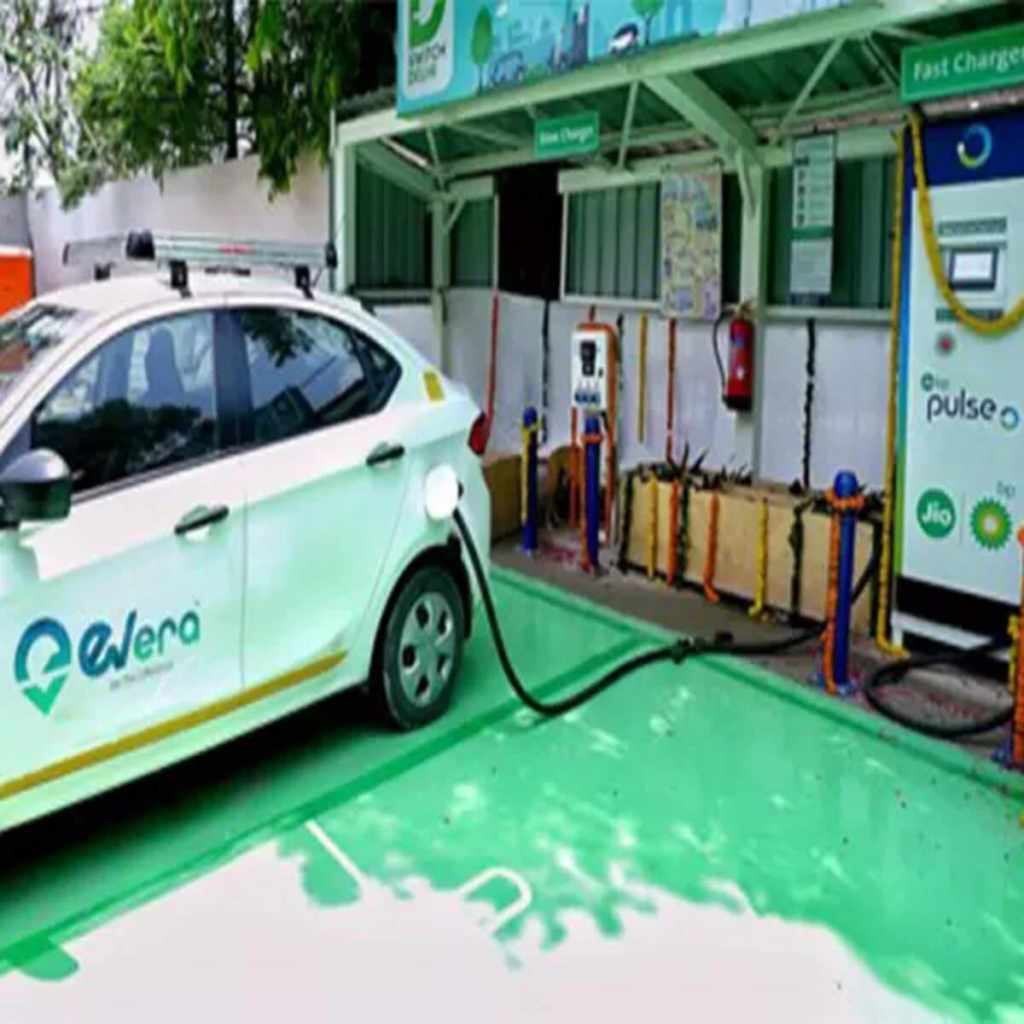
While two-wheelers lead in volume, the electric car category in India is experiencing a steady and healthy rise in adoption. Buyers now have access to a wider variety of models, ranging from budget-friendly hatchbacks to premium SUVs. This increased variety has removed many of the barriers that previously hindered potential owners.
Market analysts observe that the electric car segment in India is gaining traction as charging infrastructure improves across major highways. Families are feeling more confident in making the switch, knowing that long-distance travel is becoming feasible. This trend suggests that the coming years will see even higher penetration rates for four-wheeled electric vehicles.
Key Drivers Propelling the EV Revolution
Why is the shift toward electric mobility becoming an unstoppable force in India today? The transition is not merely a trend but a fundamental change in how the nation approaches transportation. As more citizens seek cleaner alternatives, the electric car market in India is witnessing a period of rapid expansion.
Government Support
- FAME subsidy
- State EV policies
- Tax benefits
✔ Fuel Cost Pressure
- Petrol vs EV running cost → huge difference
✔ Environment Concern
- Pollution control
- Net-zero target
✔ Technology Improvement
- Battery range badh raha hai
- Charging fast ho rahi hai
Government Policies and FAME Scheme Impact
The Indian government plays a pivotal role in accelerating this transition through targeted financial support. A major highlight is the PM e-Drive scheme, which has secured a significant allocation of 10,900 crores for the 2024-2026 period. This substantial investment provides the necessary infrastructure and subsidy framework to make adoption more accessible for the average buyer.
These policies aim to reduce the initial purchase price, which has historically been a barrier for many households. By fostering a robust ecosystem, the government ensures that an electric car owner in India can benefit from lower operational costs and better charging accessibility. Such initiatives are essential for meeting long-term sustainability goals.
Environmental Awareness and Rising Fuel Costs
Beyond policy, shifting consumer behaviour is a primary catalyst for the current EV surge. Many drivers are increasingly concerned about the environmental impact of traditional internal combustion engines. This growing awareness encourages a move toward greener technology to reduce carbon footprints in urban areas.
Furthermore, the volatility of global oil prices has made petrol and diesel increasingly expensive for the common commuter. Choosing an electric car in India offers a practical way to mitigate rising fuel costs. Consequently, the combination of economic pragmatism and environmental responsibility is successfully steering the market toward a cleaner, electrified future.
Mapping the Electric Vehicle Industry Value Chain
Mapping the value chain of the electric vehicle industry reveals where the most significant growth opportunities lie for stakeholders. By breaking down the process into distinct stages, investors can better understand how value is created from the initial extraction of minerals to the final delivery of services.
Upstream Sector: Raw Materials and Battery Chemistry
The upstream sector serves as the foundation of the entire ecosystem. It focuses on sourcing critical minerals such as lithium, cobalt, and nickel, which are essential for modern energy storage.
Battery chemistry remains the most vital component in this stage. Companies such as Exide Industries are making significant strides by supplying lithium-ion and advanced lead-acid batteries to major original equipment manufacturers. This focus on local production is a key driver for those tracking battery stocks in India to ensure long-term portfolio growth.
Midstream Sector: Component Manufacturing and Powertrains
Once the raw materials are processed, the midstream sector takes over, transforming them into functional vehicle parts. This stage involves the complex engineering of electric powertrains, which replace traditional internal combustion engines.
Manufacturers in this space focus on high-efficiency motors, power electronics, and thermal management systems. These components are critical to ensuring that vehicles perform reliably under diverse Indian road conditions. The following list highlights the core elements produced during this phase:
- Electric Motors: The heart of the vehicle’s propulsion system.
- Power Electronics: Inverters and converters that manage energy flow.
- Battery Management Systems (BMS): Software and hardware that monitor battery health.
- Thermal Management: Systems designed to keep batteries at optimal temperatures.
Downstream Sector: Charging Infrastructure and After-Sales Services
The downstream sector is where the vehicle finally meets the consumer. It encompasses the deployment of charging networks and the provision of essential after-sales support.
Without a robust network of charging stations, mass adoption remains a challenge. Consequently, many firms are investing heavily in public and private charging infrastructure to support the growing fleet. Furthermore, after-sales services, including battery swapping and maintenance, are becoming essential pillars for customer retention. Investors keeping an eye on battery stocks india should also monitor these service-oriented companies as they bridge the gap between technology and daily utility.
Strategic Investment Opportunities in the EV Sector
As India accelerates its transition to green mobility, specific sectors are emerging as prime targets for capital allocation. Investors who identify these high-growth areas early can position themselves to benefit from the long-term shift in the automotive landscape. A well-rounded EV investment 2026 strategy requires looking beyond vehicle manufacturers to the essential components that power the entire ecosystem.
Agar aap EV mein invest karna chahte hain, to sirf car company hi nahi — poora ecosystem samajhna zaroori hai:
🔋 Battery Companies
- Exide Industries
- Amara Raja Energy & Mobility
👉 Future ka biggest profit yahin ho sakta hai
🚗 Vehicle Manufacturers
- Tata Motors
- Mahindra & Mahindra
🔌 Charging Infrastructure
- Tata Power
👉 Charging network = EV growth ka backbone
🧩 Auto Components & Ancillary
- Auto parts companies
- Electronics & semiconductor players
Direct Investment
- EV companies ke stocks
✔ Indirect Investment
- Battery, power, infra companies
✔ Mutual Funds
- Auto sector funds
- Thematic EV funds
✔ Long-Term Bet
- EV is not short-term story
👉 5–10 years ka vision rakhein
Maan lijiye ek investor har mahine ₹10,000 invest karta hai:
- ₹4,000 → Auto companies
- ₹3,000 → Battery companies
- ₹3,000 → Power/charging infra
Agar average return 12% maan lein:
👉 10 saal mein investment value approx ₹23 lakh ke aas-paas ho sakti hai
👉 15 saal mein yeh ₹50 lakh+ tak pahunch sakta hai
(Compounding ka magic yahan kaam karta hai)
EV sector mein invest karte waqt sirf ek stock par depend nahi karna chahiye. Jaise humne Asset Allocation Strategy mein discuss kiya hai, diversification hi long-term success ka base hai.Where Should You Invest ₹10 Lakhs in 2026? Smart Asset Allocation Strategy for Stable & Growing Income
Investing in Battery Technology and Cell Manufacturing
The heart of any electric vehicle is its battery pack, making it the most critical component for long-term success. With the government pushing for local production through various incentives, domestic cell manufacturing has become a focal point for industrial growth. Investors are increasingly monitoring battery stocks in India to gain exposure to companies involved in lithium-ion chemistry and advanced energy storage solutions.
Focusing on firms that secure raw material supply chains or possess proprietary battery management technology offers a competitive edge. These companies are vital for reducing costs and improving the range of modern electric vehicles. As the demand for high-performance batteries rises, these manufacturers are set to play a pivotal role in the nation’s energy transition.
Opportunities in Charging Station Networks
Infrastructure remains the backbone of widespread electric vehicle adoption nationwide. To address range anxiety, states like Maharashtra are taking proactive steps by committing to installing charging stations every 25 km on major highways. This massive infrastructure rollout creates significant openings for private operators and energy service providers.
Key areas for potential investment in this space include:
- Fast-charging hardware development and deployment.
- Development of smart grid-connected charging hubs.
- Partnerships with commercial real estate for destination charging.
Ancillary Industries and Software Integration
The transition to electric mobility extends far beyond the vehicle itself, creating a ripple effect across various ancillary industries. Power electronics, such as inverters and converters, are essential for managing the flow of energy within the vehicle. Furthermore, software integration is becoming a differentiator, as modern vehicles rely on complex systems for battery monitoring and autonomous features.
Investors should consider the following sectors that support the broader ev investment 2026 landscape:
- Advanced power electronics and semiconductor manufacturing.
- Cloud-based fleet management and diagnostic software.
- Specialised cooling systems for high-capacity battery packs.
By diversifying into these niche areas, stakeholders can mitigate risks while capturing value from the entire supply chain. Tracking the performance of battery stocks india alongside these ancillary service providers offers a comprehensive approach to participating in the future of transport.
Top EV Stocks in India 2026 View
Identifying the right ev stocks in India requires a deep dive into companies that are successfully navigating the transition to sustainable mobility. As the automotive landscape shifts, investors are prioritising firms with robust manufacturing capabilities and clear long-term roadmaps. The current market environment rewards those who have moved beyond prototypes to achieve mass-market scale.
EV stocks mein invest karne se pehle ensure karein ki aapka Emergency Fund properly set ho.Where to Stash Your Emergency Fund in 2026
EV sector mein high growth ke saath risk bhi hota hai. Isliye proper Risk Management Strategy follow karna bahut zaroori hai.Smart Money Habits to Build Wealth Without Taking Risks
(For understanding, not recommendation)
- Tata Motors – strong EV leader
- Mahindra & Mahindra – EV expansion
- Exide Industries – battery play
- Tata Power – charging infra
- Technology change risk (battery tech evolve ho rahi hai)
- High valuations
- Government policy dependency
- Charging infrastructure abhi developing stage mein
- Global competition (China dominance)
👉 Clear line:
EV ek long-term opportunity hai, quick profit nahi

Analysis of Tata Motors and Its EV Dominance
Tata Motors has cemented its position as the undisputed leader in the electric four-wheeler segment. By the end of FY25, the company commanded over half the total market share, showcasing its ability to capture consumer demand effectively. Their Tata Motors EV portfolio continues to expand, offering a diverse range of models that cater to both urban commuters and families.
The company’s success stems from its early investment in charging infrastructure and battery localisation. By integrating these elements, they have created a formidable moat that competitors find difficult to breach. Investors often view this stock as a cornerstone for any portfolio focused on the domestic green energy transition.
Mahindra and Mahindra: Strategic Shifts in Electrification
Mahindra and Mahindra has executed a calculated pivot toward electrification, focusing on high-performance SUVs and utility vehicles. Their strategy involves leveraging their strong brand heritage while introducing cutting-edge electric powertrains. This shift is not merely about replacing engines but about redefining the driving experience for the modern Indian consumer.
“The transition to electric mobility is not just a technological change; it is a fundamental reimagining of how we move people and goods across the nation.”
Industry Analyst
Emerging Players in the Two-Wheeler Space
The two-wheeler segment is witnessing a surge in innovation, with companies like Bajaj Auto leading the charge. These firms are capitalising on the high demand for electric scooters and motorcycles in tier-one and tier-two cities. By focusing on tata motors ev competitors in the smaller vehicle space, investors can diversify their exposure to the broader ev stocks in India market.
| Company Name | Primary Focus | Market Strength |
|---|---|---|
| Tata Motors | Passenger Vehicles | High Market Share |
| Mahindra & Mahindra | Electric SUVs | Strong R&D |
| Bajaj Auto | Two-Wheelers | Rapid Scaling |
Navigating Risks in Electric Vehicle Investment
Investors looking at EV stocks in India should carefully weigh the potential rewards against the structural risks present in the current landscape. While the transition to green mobility is accelerating, the path forward is not without significant hurdles that could impact long-term portfolio performance.
Supply Chain Vulnerabilities and Mineral Dependency
The Indian electric vehicle industry remains heavily reliant on global supply chains for critical raw materials. Specifically, the import dependency for lithium, nickel, and cobalt creates a major bottleneck for domestic manufacturers.
When global prices for these minerals fluctuate, local production costs often spike unexpectedly. This volatility can squeeze profit margins for companies that have not secured long-term supply contracts or diversified their sourcing strategies.
Technological Obsolescence and Rapid Innovation
The pace of change in battery chemistry and powertrain efficiency is relentless. A company that leads the market today with a specific battery technology might find its products outdated within a few years.
Investors must monitor how firms allocate capital toward research and development. Staying informed is essential, as rapid innovation can lead to sudden shifts in market share and company valuations for those holding EV stocks in India.
“The greatest risk in the electric vehicle transition is not the lack of demand, but the inability of supply chains to keep pace with the speed of technological evolution.”
— Industry Analyst
Regulatory Uncertainty and Infrastructure Lag
Government policies are the backbone of the current EV boom, yet they remain subject to change. Shifts in subsidy structures or tax incentives can alter the financial viability of projects overnight.
Furthermore, the lag in developing a robust charging infrastructure across the country poses a persistent challenge. Without a reliable grid and widespread charging stations, consumer adoption may slow, directly affecting the revenue growth of companies linked to ev stocks india.
| Risk Factor | Impact Level | Primary Concern |
|---|---|---|
| Mineral Imports | High | Price Volatility |
| Tech Obsolescence | Medium | Asset Depreciation |
| Policy Shifts | High | Revenue Stability |
| Grid Infrastructure | Medium | Adoption Rates |
Future of Electric Vehicles in India 2026 to 2035
The trajectory of the automotive sector in India suggests a future dominated by clean energy solutions. As the nation accelerates its transition, the ev future india outlook remains incredibly positive for both consumers and investors. This period of change will likely reshape the entire domestic transport ecosystem.
- EV adoption sharply badhega
- Battery cost kam hogi
- India export hub ban sakta hai
👉 Conclusion insight:
EV ecosystem multiple wealth creation opportunities dega — sirf ek company nahi
🚗 EV vs Petrol Car – Real Cost Comparison
Aksar log EV kharidne se pehle confuse hote hain ki kya yeh sach mein sasta padta hai ya nahi.
Chaliye simple example se samajhte hain:
📊 Running Cost Comparison (Approx)
| Particular | Petrol Car | Electric Vehicle |
|---|---|---|
| Cost per km | ₹7 – ₹10 | ₹1 – ₹2 |
| Monthly fuel cost (1,000 km) | ₹7,000 – ₹10,000 | ₹1,000 – ₹2,000 |
| Maintenance | High | Low |
| Engine parts | Complex | Simple |
👉 Conclusion:
EV ka running cost petrol car se 70–80% tak kam ho sakta hai.
📉 5-Year Ownership Insight
- EV mein initial cost thoda high hota hai
- Lekin fuel aur maintenance saving se 4–5 saal mein recovery ho jati hai
👉 Isliye EV ko short-term nahi, long-term decision maana jata hai.
Smart Investment Strategy
- Sirf ek EV stock mein paisa mat lagayein
- Diversify karein:
- Auto + Battery + Power
- SIP approach use karein
- Long-term patience rakhein
“EV stocks mein invest karne se pehle asset allocation strategy samajhna bahut zaroori hai.” “Agar aap monthly investing karte hain, to yeh strategy aap How Much Should You Invest Every Month How Much Should You Invest Every Month in 2026? wale guide mein detail mein dekh sakte hain.” “Stock selection se pehle overall market trend samajhne ke liye Stock Market in 2026Stock Market in 2026: Risks, Opportunities & Mistakes Retail Investors Must Avoid blog bhi useful hoga.”

Projected Market Penetration and Economic Impact
Government initiatives are pushing hard to ensure that electric vehicles capture a significant portion of the market. Current targets aim for a 30% share of total vehicle sales by 2030. This ambitious goal serves as a cornerstone for the broader EV Future India strategy.
Beyond domestic sales, India is positioning itself to become a global export hub for affordable two-wheelers. This shift could provide a massive boost to the national economy by creating thousands of new jobs. Local manufacturing of components will likely reduce dependency on imports, strengthening the domestic supply chain.
Technological Advancements and Grid Integration
Innovation will play a critical role in the long-term success of electric mobility. Researchers are currently focusing on solid-state batteries, which promise higher energy density and improved safety compared to traditional lithium-ion cells. These advancements will make electric vehicles more practical for long-distance travel across the country.
Furthermore, the integration of vehicle-to-grid (V2G) technology will transform how we manage energy. By allowing cars to feed power back into the grid during peak demand, electric vehicles will act as mobile storage units. This smart grid approach is essential for a sustainable EV future in India, ensuring that the power infrastructure can handle the increased load of millions of charging vehicles by 2035.
Conclusion
The shift toward electric mobility represents a massive transformation for the auto sector in India. This change brings unique chances for growth and innovation across the entire country. Investors who prioritise companies with solid financial health and clear technological goals stand to gain the most from this transition.
Market experts suggest that India could see 30-40% of new vehicle sales coming from electric models by 2030. Reaching this target requires careful attention to supply chain stability and grid infrastructure. Investors should monitor policy updates closely to navigate potential risks like mineral shortages or regulatory shifts.
Building a portfolio in this space involves investing directly in manufacturers like Tata Motors or Mahindra and Mahindra. Some people prefer spreading their risk through mutual funds or systematic investment plans focused on green energy. Staying informed about these trends helps participants make smart choices in the evolving Indian automotive sector.
Electric Vehicles India ka future hain — lekin investment wisely karna zaroori hai.
👉 Yeh sector ek structural change hai
👉 Long-term investors ke liye bada opportunity hai
“EV sector agla wealth creator ban sakta hai — par sirf un logon ke liye jo patience rakhte hain.”
Frequently Asked Questions
What is the projected market penetration for EVs in India by 2030?
Projections indicate that India could reach 30-40% penetration in new vehicle sales by 2030.
What are the primary risks for EV investors?
Key risks include supply chain bottlenecks for critical minerals, policy volatility, and potential challenges to grid infrastructure.
How can investors start investing in the EV sector?
Investors can consider direct equity in leading EV manufacturers, battery technology firms, or opt for EV-focused mutual funds and SIPs to manage risk.
FAQ
What is the projected market penetration for electric vehicles in India by 2030?
Current projections for the EV future in India are highly optimistic, suggesting that electric vehicle penetration could reach 30-40% of all new sales nationally by 2030. This growth is expected to be led by the two-wheeler segment, which already showed significant dominance by 2025.
Which companies are currently leading the electric car india market?
Tata Motors ev remains the dominant force in the four-wheeler category, commanding over half of the market share. Additionally, Mahindra and Mahindra have made a significant strategic pivot toward electrification, while the auto sector india as a whole is seeing rapid growth from two-wheeler players like Bajaj Auto.
What are the primary risks for those looking to buy ev stocks india?
Investors should carefully assess risks such as supply chain vulnerabilities and a heavy reliance on imported critical minerals like lithium and cobalt. Furthermore, rapid innovation can lead to technological obsolescence, and the potential for grid stress remains a factor that could influence the long-term performance of the sector.
How can someone begin their journey into ev investment 2026?
A smart strategy involves diversifying across the value chain. This includes considering direct equity in established manufacturers, looking into battery stocks india, or exploring ancillary industries like software integration and power electronics. Many investors also opt for EV-focused mutual funds or Systematic Investment Plans (SIPs) to manage volatility.
What role does the government play in supporting electric vehicles india?
The government is a key driver of the revolution, most notably through the PM e-Drive scheme, which has allocated 10,900 crores for the 2024-2026 period. These policies provide the financial backing and incentives necessary to accelerate adoption and improve the nation’s charging infrastructure.
Why is battery technology considered a crucial part of the investment value chain?
Battery technology is the core of the transition; hence, the upstream sector focusing on battery chemistry is vital. Companies like Exide Industries are essential to the supply chain. Investing in battery cell manufacturing is often prioritised because it represents a significant portion of a vehicle’s total value and is key to the long-term viability of the auto sector india.
How is the charging infrastructure being addressed to support the growing fleet?
States are actively closing the infrastructure gap; for example, Maharashtra has committed to establishing charging stations every 25 km. This expansion is part of the downstream sector’s growth, creating fresh opportunities for private operators and ensuring that the electric car india market remains practical for long-distance travel.
Kya EV sector 2026 mein invest karne ke liye achha hai?
Haan, long-term ke liye strong opportunity hai, lekin selection zaroori hai.
Kaun se EV stocks India mein important hain?
Tata Motors, M&M, Exide, Tata Power jaise companies EV ecosystem ka part hain.
Kya EV short-term profit de sakta hai?
Nahi, yeh long-term growth sector hai.
EV investment mein sabse bada risk kya hai?
Technology aur valuation risk.